Healthy Snacks Under 200 Calories: 30 High-Protein Options Organized by When You Actually Need Them
A research-backed guide to snacks under 200 calories, organized by what you are actually trying to solve: hunger, cravings, low energy, pre-workout fuel, and protein gaps.
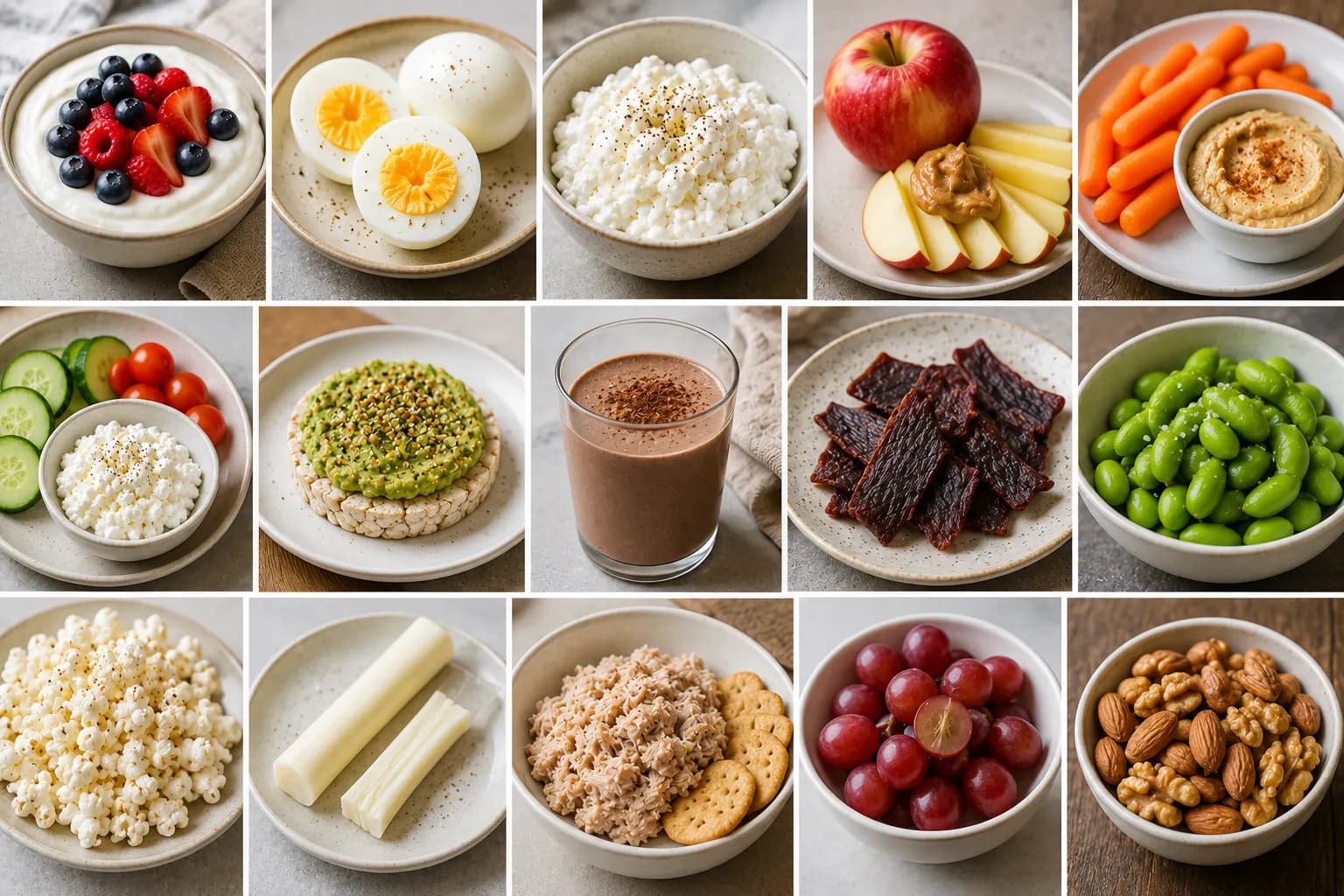
TL;DR. The best low-calorie snacks aren't the lowest-calorie ones. They're the ones that actually solve the problem you're snacking to solve. The single most important variable across every "healthy snack" study is protein content: snacks with 10+ grams of protein consistently produce better satiety, better appetite control at the next meal, and better overall weight-loss outcomes than carb-heavy snacks of the same calorie count. The list below is organized by use case (hunger between meals, sweet cravings, salty cravings, before exercise, late-night) rather than alphabetically, with specific calorie and protein counts for each option. The honest framing first: research on snacking and weight loss is genuinely mixed, and the question isn't "should I snack?" but "if I'm going to snack, what should I eat to get the most benefit and the least derailment?"
There are roughly 4,000,000 articles on the internet titled some variation of "healthy snacks under 200 calories." Most of them are: 30 random foods in a list, no thinking about why you're snacking, no protein data, and a heavy lean on cute ideas like "ants on a log" that nobody actually eats as adults.
This article does something different. It treats snacking as a tool: useful in some contexts, counterproductive in others. It gives you an actual framework for picking snacks based on what you're trying to solve, plus calorie and protein estimates to compare options directly. Most nutrition values below are typical estimates from USDA FoodData Central or common product nutrition labels, so treat them as close planning numbers rather than laboratory measurements1. If you're genuinely trying to use snacks as part of a weight-management approach, the framing matters more than the list.
A note before reading. If you have a current or past eating disorder, are recovering from one, or notice anxious or rule-bound thinking around food, structured snack-counting can intensify rigid patterns. The information below is general nutritional reference, not a prescription. If snacking has become a source of distress rather than a useful tool, work with a registered dietitian or therapist rather than tightening the rules.
Why most "healthy snack" advice is wrong
The standard "healthy snack" article assumes two things that aren't necessarily true: that snacking helps weight loss, and that low-calorie automatically equals weight-loss-friendly. The actual research is more nuanced.
On whether snacking helps weight loss: the evidence is genuinely mixed. Some meta-analyses find that higher meal frequency (more snacks) is associated with better fat loss outcomes; others find the opposite, with lower meal frequency producing better results23. A 2024 systematic review and meta-analysis published in JAMA Network Open analyzed 29 randomized controlled trials and found that lower meal frequency and time-restricted eating (which both reduce snacking) produced greater weight loss than higher-frequency eating patterns over 12+ weeks4.
The honest interpretation: snacking neither automatically helps nor automatically hurts weight loss. What matters is what the snack contains and whether it adds calories you wouldn't otherwise eat or substitutes for something else.
On low-calorie automatically being good: a 100-calorie pack of cookies is technically "low calorie," but it's also pure refined carbs and sugar, has minimal satiety effect, and tends to leave people hungrier 60 minutes later than they would have been if they'd eaten nothing at all. Calories alone don't tell you whether a snack will produce useful satiety or just brief glucose-spike-then-crash dynamics.
The more useful question for any snack: does it contain enough protein and fiber to actually keep you full, or are you eating empty calories that won't deliver the satiety the calories should buy?
What makes a snack actually useful for weight loss
A snack worth eating during a calorie deficit should hit at least two of these four criteria:
Protein density: at least 8-12g of protein. Protein has the highest thermic effect of food and the strongest satiety signal of any macronutrient. Protein and snack research consistently points in the same direction: higher-protein snacks tend to improve fullness, appetite control, and the timing of the next eating occasion more than lower-protein alternatives5. If a snack has fewer than 8g of protein, it's probably a "fun food" rather than a strategic one. That can be fine occasionally, but it is not doing much work for hunger management.
Fiber: at least 3-5g. Fiber slows digestion, blunts blood-sugar response, and adds physical volume that triggers stretch receptors in the stomach. High-fiber snacks produce sustained fullness in a way that low-fiber snacks of the same calorie count don't.
Whole-food origin. Snacks made from whole foods (yogurt, fruit, vegetables, nuts, eggs, jerky) tend to have better satiety per calorie than ultra-processed equivalents (chips, crackers, granola bars, "100-calorie packs"). The processing strips out fiber and water, concentrating calories without preserving the satiety properties.
A reason for being. The most useful snacks have a specific job: bridging a long gap between meals, providing pre-workout fuel, killing a craving without setting off a 1,000-calorie binge, or hitting a daily protein target you're undershooting. A snack without a clear job is usually a snack you didn't actually need.
A snack that hits 0 of these criteria, like a handful of pretzels, is not necessarily harmful. It is just not doing much for your weight-loss goals beyond costing calories.
Use case 1: Bridging hunger between meals (4-6 hours apart)
These are the snacks for the standard "I'm getting hungry but dinner is still 3 hours away" situation. Goal: blunt hunger meaningfully without spoiling your appetite for the next meal.
Best characteristics: moderate protein (10-15g), some fat for sustained energy, around 150-200 calories.
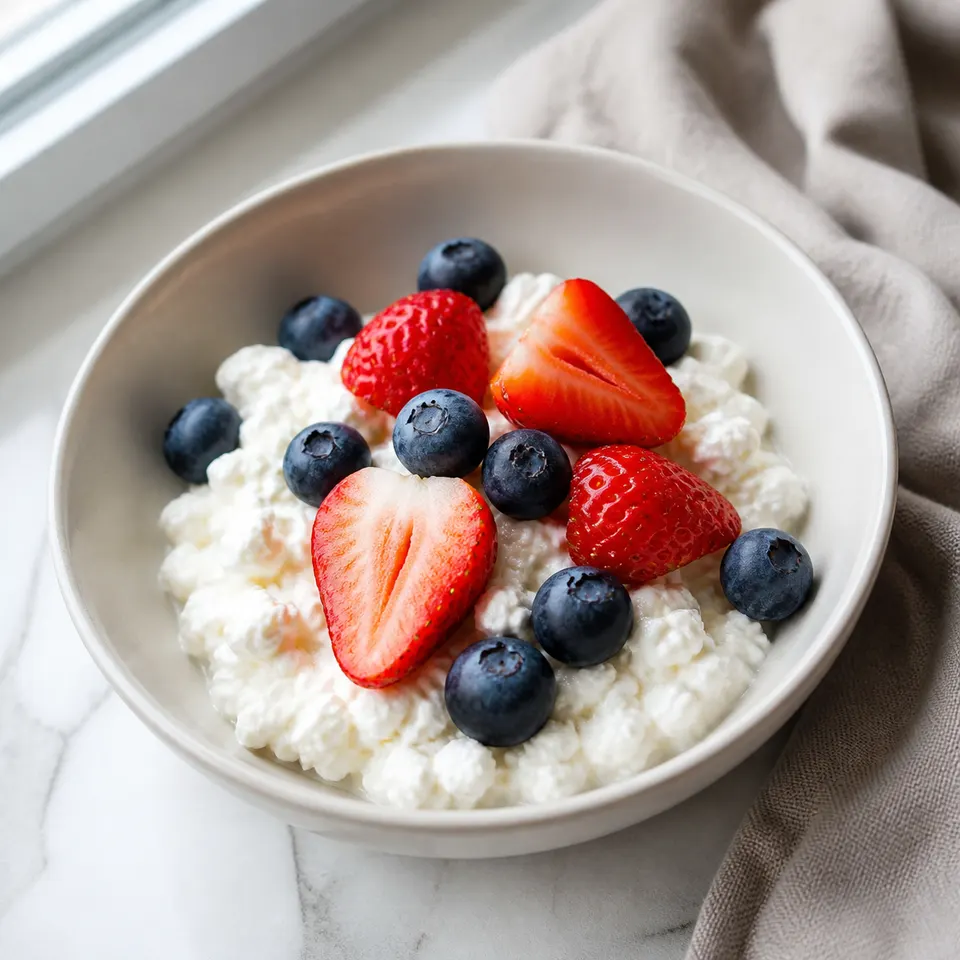
Cottage cheese with berries
~150-180 calories | 16-20g protein | 8-12g carbs
Half a cup of low-fat cottage cheese with a half-cup of fresh or frozen berries. Slow-digesting casein protein keeps you full for hours, and the berries add fiber and volume without much calorie cost. Add cinnamon or vanilla extract if you want sweetness without sugar.
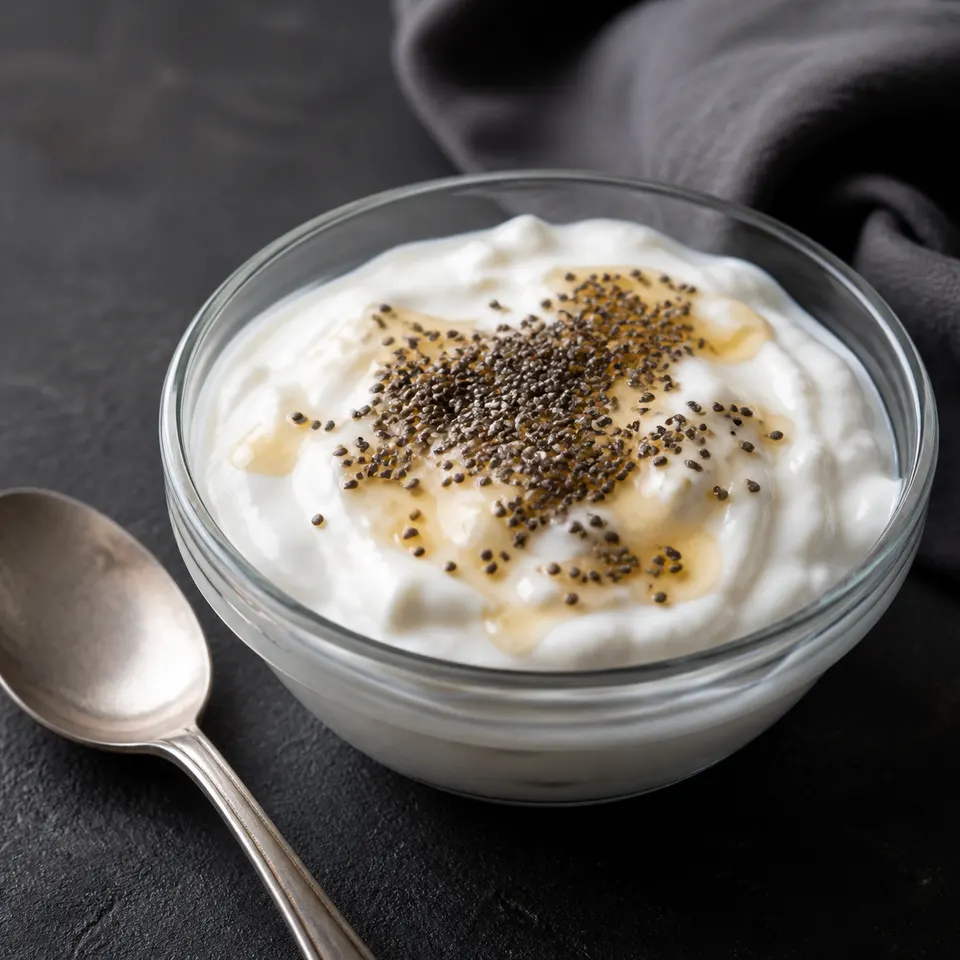
Greek yogurt with chia seeds
~150-180 calories | 18-20g protein | 12-15g carbs (4g fiber)
Three-quarters of a cup of plain nonfat Greek yogurt with a tablespoon of chia seeds (which adds 5g of fiber) and a small drizzle of honey. The chia seeds gel in the yogurt as they sit, creating a pudding-like texture and substantial volume.
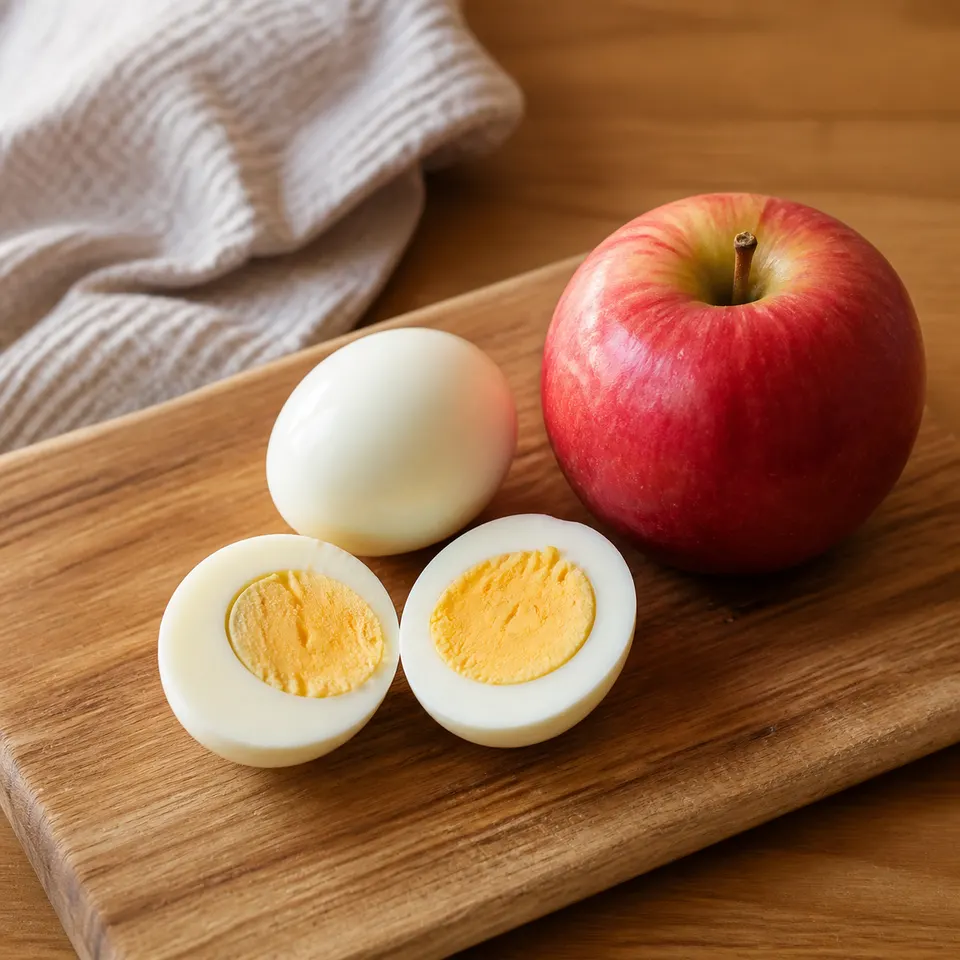
Two hard-boiled eggs and an apple
~190 calories | 13g protein | 25g carbs (5g fiber)
Eggs deliver complete protein and the apple adds satisfying volume and fiber. Boil a dozen eggs at the start of the week and grab two whenever you need this combo.
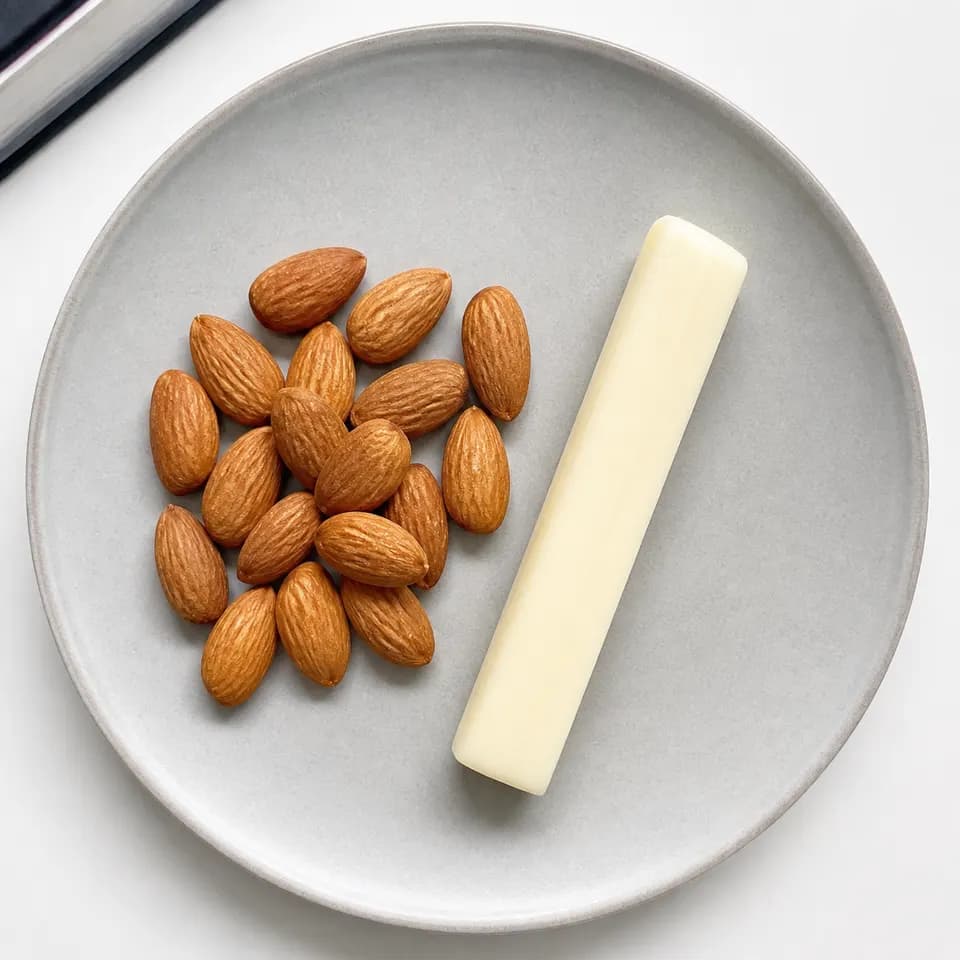
A small handful of almonds and a string cheese
~180 calories | 8g protein | 6g carbs (3g fiber) | ~14g fat
About 15 almonds (~100 calories) plus a single string cheese stick (~80 calories). The fat in the almonds and the protein in the cheese together produce strong satiety per calorie. The snack is high in fat overall, but that can be useful here because fat slows digestion and bridges longer gaps better than pure protein.
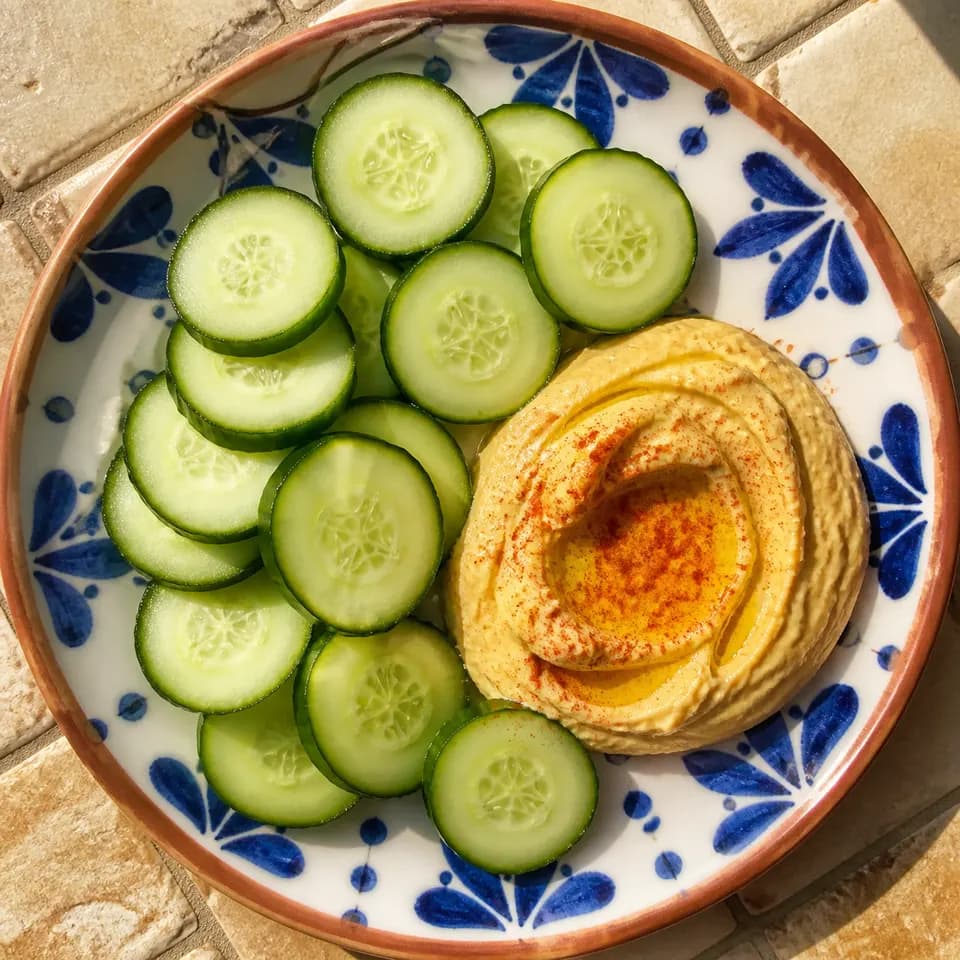
Cucumber slices with hummus
~140-180 calories | 5-7g protein | 15-20g carbs (4-6g fiber)
About 2 tablespoons of hummus (~70-100 cal) with a full sliced cucumber. Lower protein than the others in this category, but high volume and high satiety per calorie because of the water content. Good when you want something substantial-feeling.
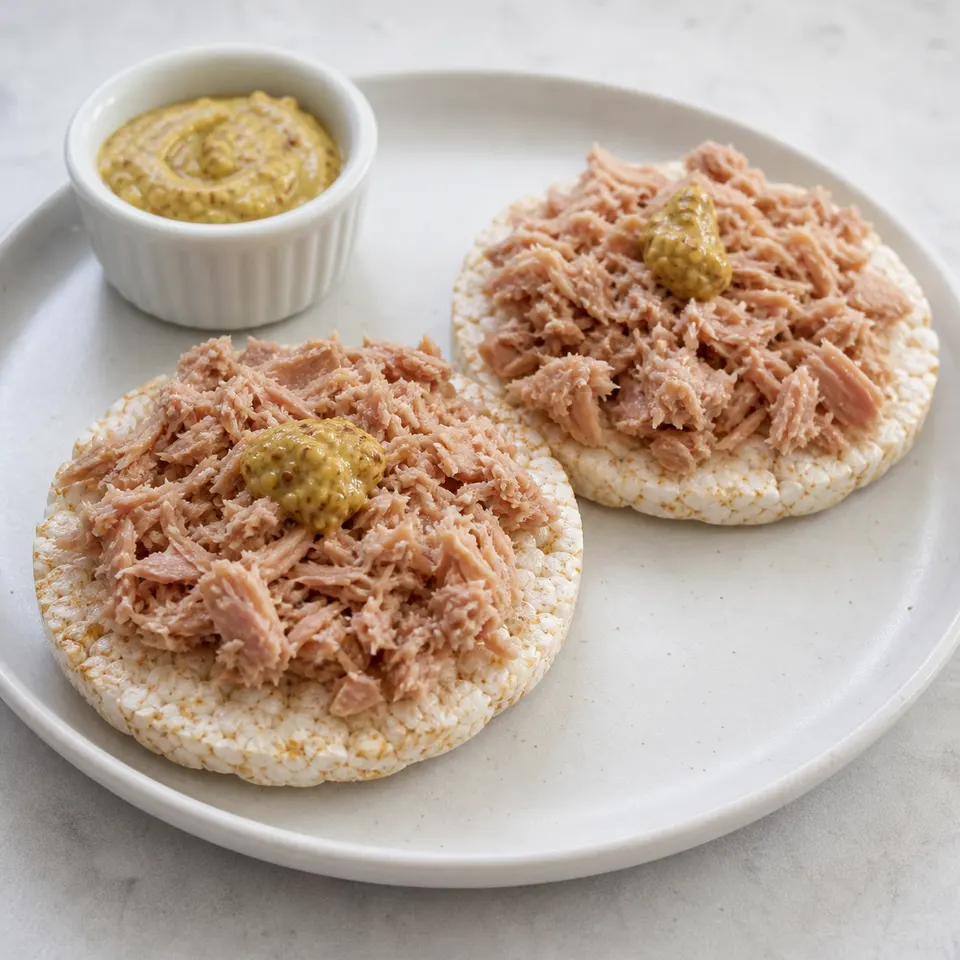
Tuna pouch on rice cakes
~150-170 calories | 18-22g protein | 10-15g carbs
One 2.6 oz pouch of plain tuna (~80 cal, 17g protein) spread onto two plain rice cakes. Adds Dijon mustard or Greek yogurt-based mayo for flavor. Awkward to eat at a desk but excellent macros.
Use case 2: Killing a sweet craving without derailment
The pattern most people fall into: try to ignore a craving for an hour, eventually cave, eat something with 600 calories that you didn't actually enjoy. Better strategy: have a planned, deliberate sweet snack that scratches the itch within 100-200 calories.
Best characteristics: genuinely sweet (not "vegetables count as sweet because they have natural sugar"), under 200 calories, ideally with some protein to blunt the glucose spike.
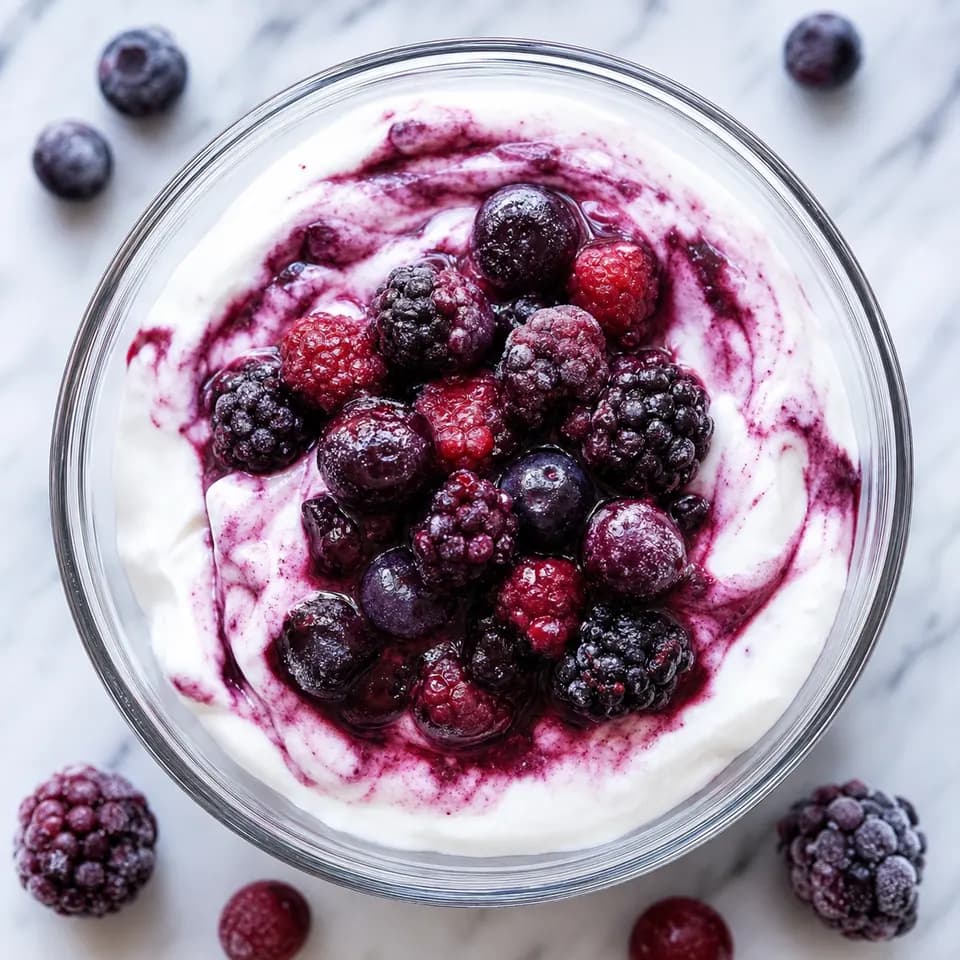
Plain nonfat Greek yogurt with frozen berries and stevia
~120-150 calories | 18-22g protein | 8-12g carbs
A cup of plain nonfat Greek yogurt with frozen mixed berries (which thaw and become saucy) and a few drops of stevia or monk fruit sweetener. Tastes like a froyo bowl. The protein density is excellent for a "dessert."
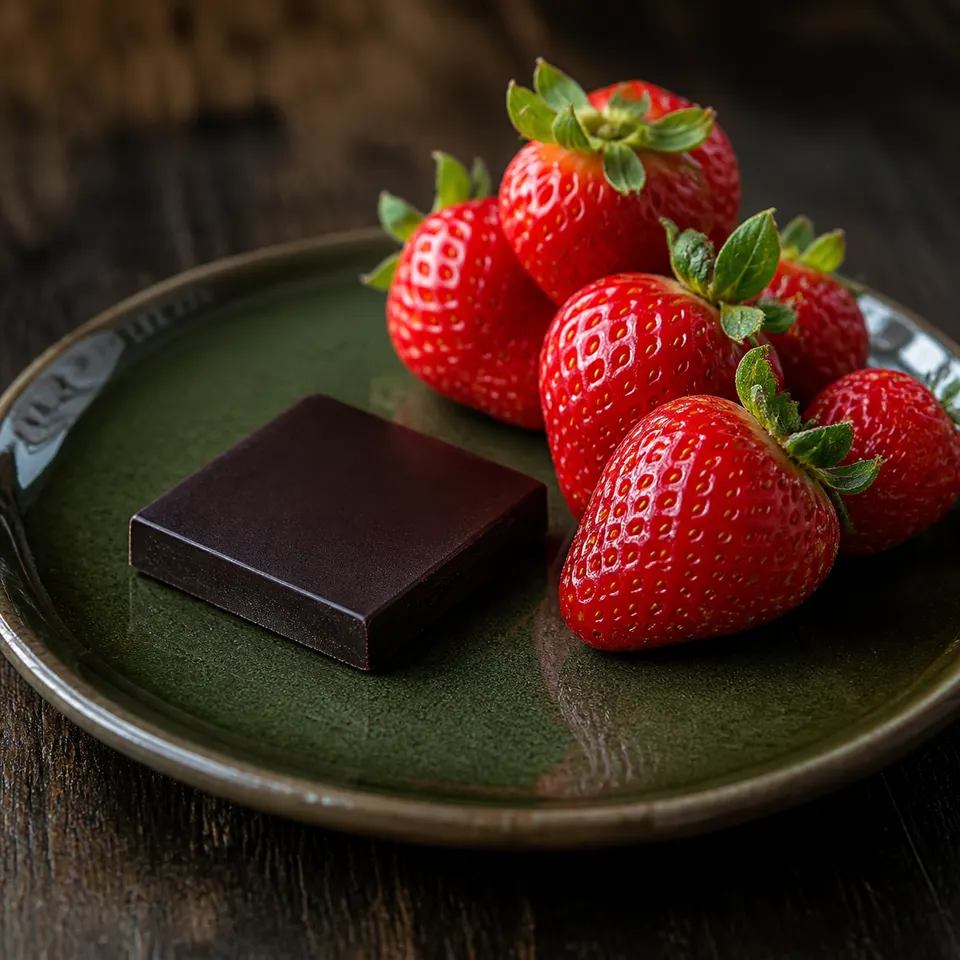
A square of dark chocolate (70%+) and a handful of strawberries
~140-160 calories | 3g protein | 15g carbs
One square of high-cocoa dark chocolate (~50 cal) with a cup of fresh strawberries (~50 cal). Lower protein but genuinely satisfying for chocolate cravings, the bitter intensity of dark chocolate produces the dopamine response that scratches the itch with much less sugar than milk chocolate.
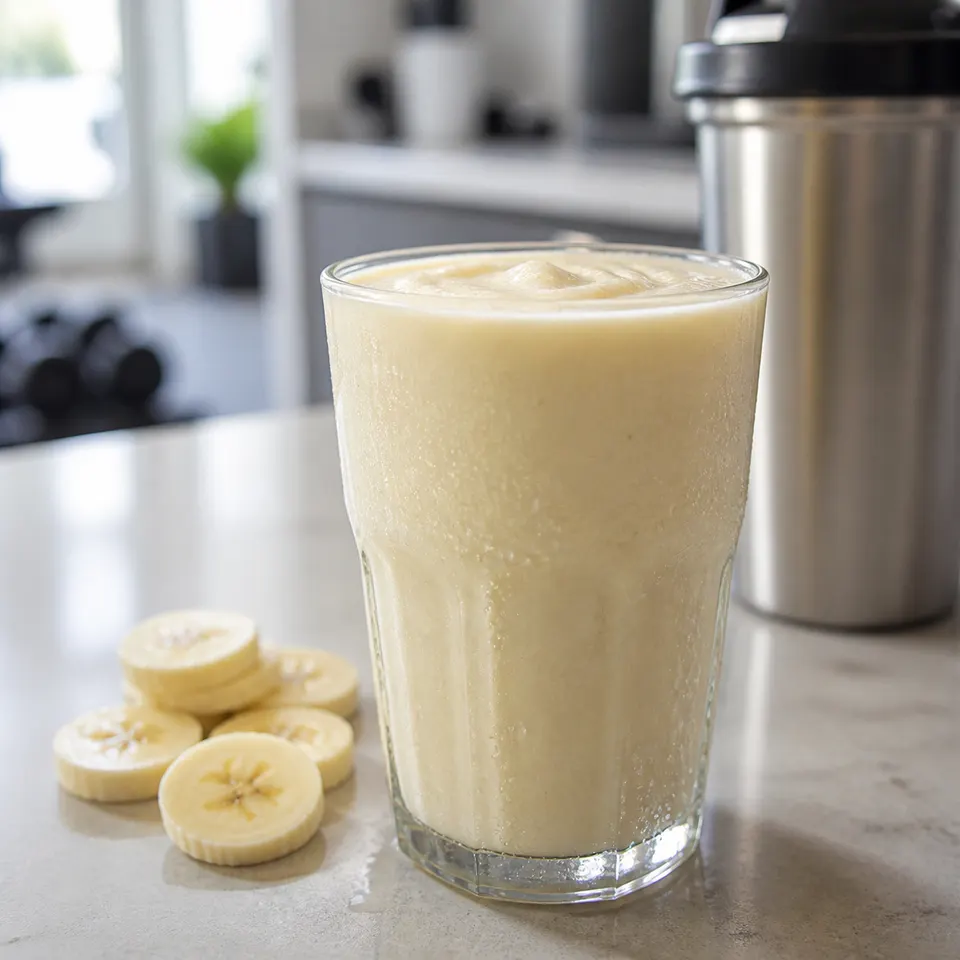
A protein shake blended with frozen banana
~160-180 calories | 25g protein | 15g carbs
One scoop of vanilla whey protein blended with a frozen banana, ice, and water. Tastes like a smoothie, has the protein density of a meal. Excellent post-workout option that doubles as a sweet treat.
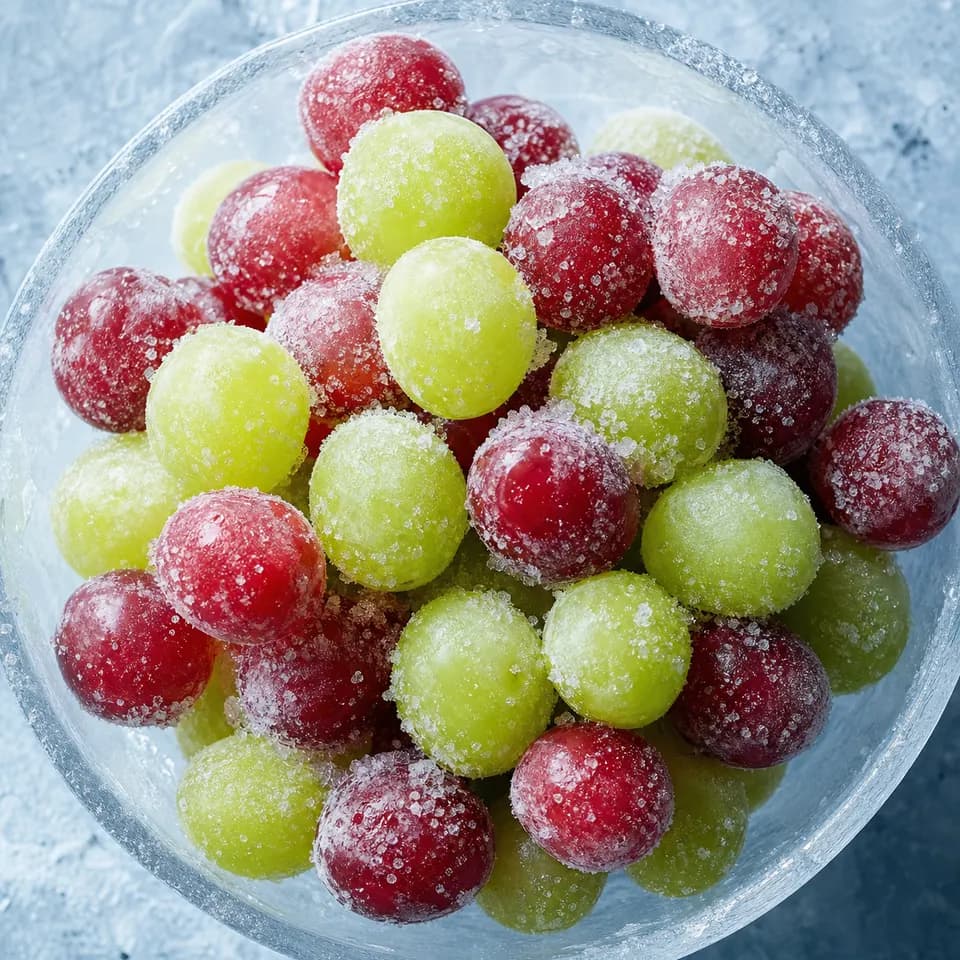
Frozen grapes
~100 calories | 1g protein | 27g carbs (1.5g fiber)
A cup of frozen grapes. Sounds underwhelming; works much better than expected. Frozen grapes have a candy-like texture and natural sweetness that satisfies the same craving as ice cream or frozen yogurt for substantially fewer calories. Low protein, but a useful occasional option.
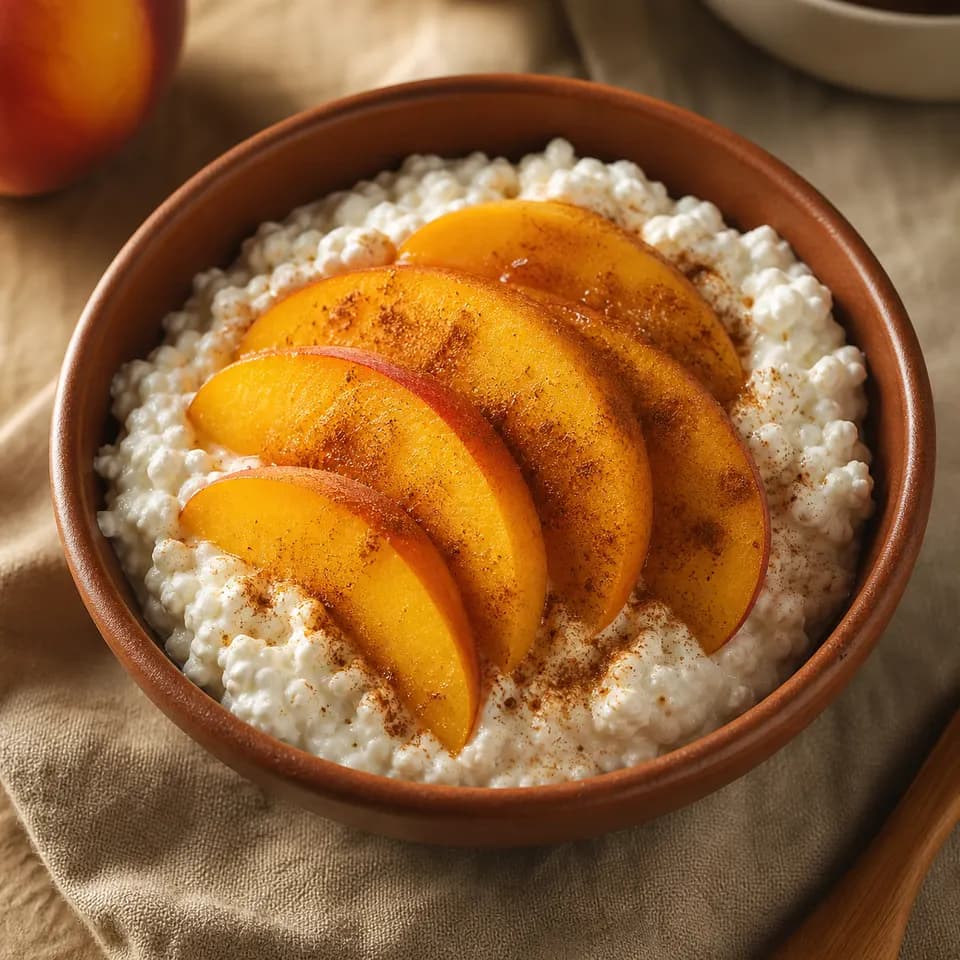
A cup of cottage cheese with sliced peaches and cinnamon
~140-170 calories | 15-18g protein | 12-15g carbs
Half a cup of low-fat cottage cheese with half a sliced fresh peach (or canned peaches in juice, drained) and a generous shake of cinnamon. Hits the dessert zone with strong satiety.
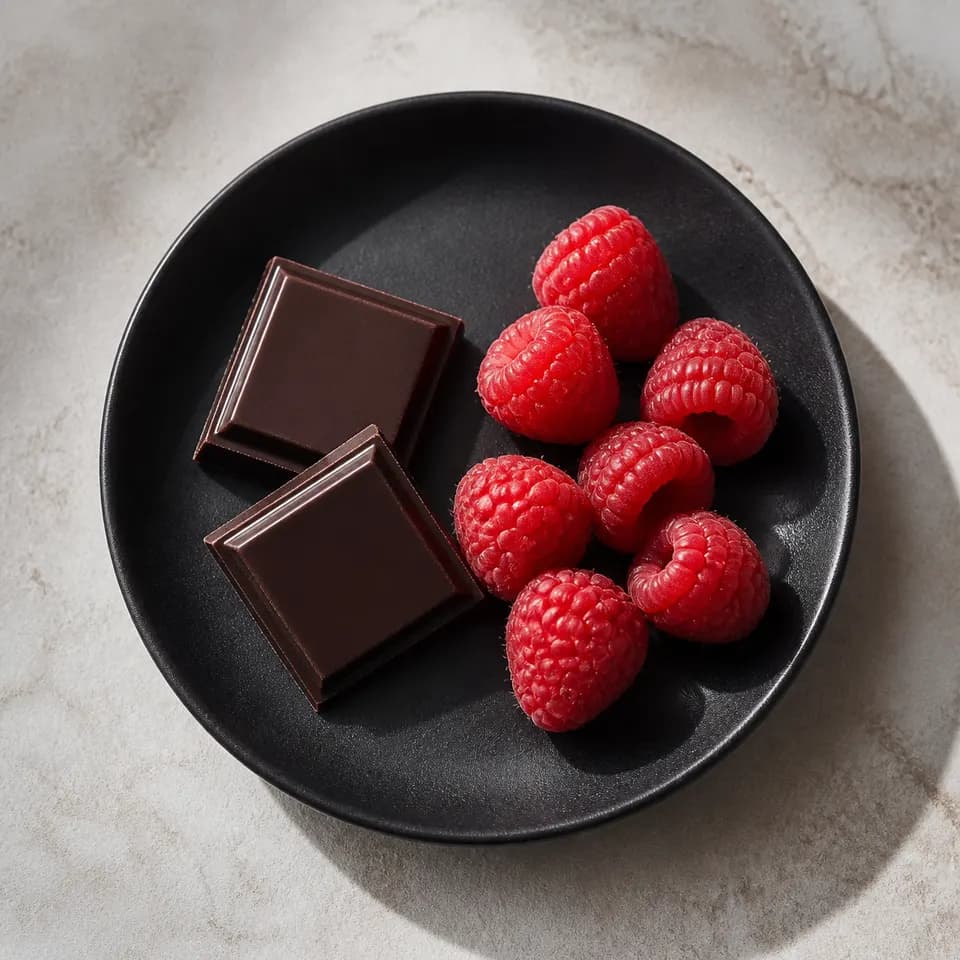
Two squares of dark chocolate and 8 raspberries
~120 calories | 2g protein | 12g carbs
For when the craving is specifically chocolate. Two squares of 70%+ dark chocolate (~100 cal) plus 8 fresh raspberries (~16 cal). The fruit adds slow-eating duration that makes 100 calories of chocolate feel more substantial.
Use case 3: Killing a salty/savory craving
Less commonly addressed than sweet cravings, but the same principle applies, a planned, deliberate savory snack beats grazing on chips for 30 minutes and ending up 600 calories deep.
Best characteristics: genuinely savory, ideally crunchy if that's the textural craving, 100-200 calories, ideally with protein.
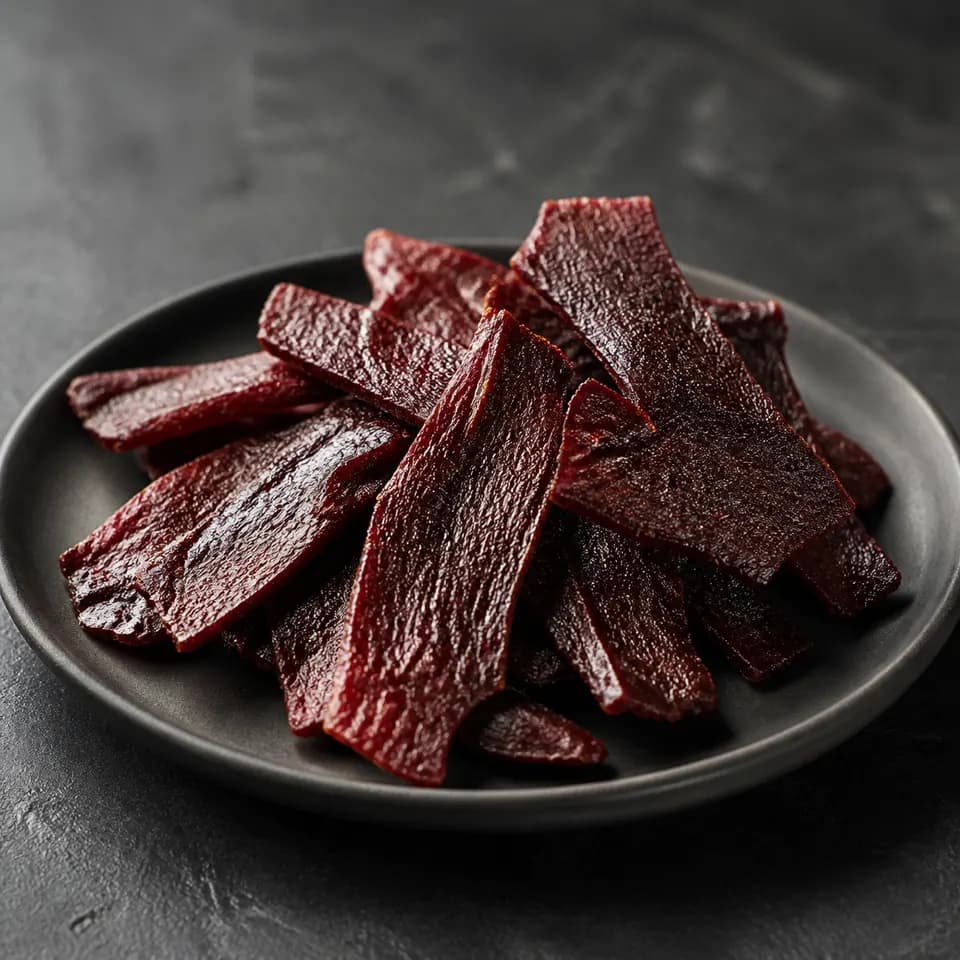
Beef or turkey jerky
~80-130 calories | 12-15g protein | 5-10g carbs
A 1 oz portion of jerky from a low-sugar brand (Chomps, Country Archer, or store brands with less than 5g sugar per serving). The chewy texture provides satisfying eating duration. Watch the sodium; most jerky is 400-600mg per serving, which can add up if it's a daily habit.
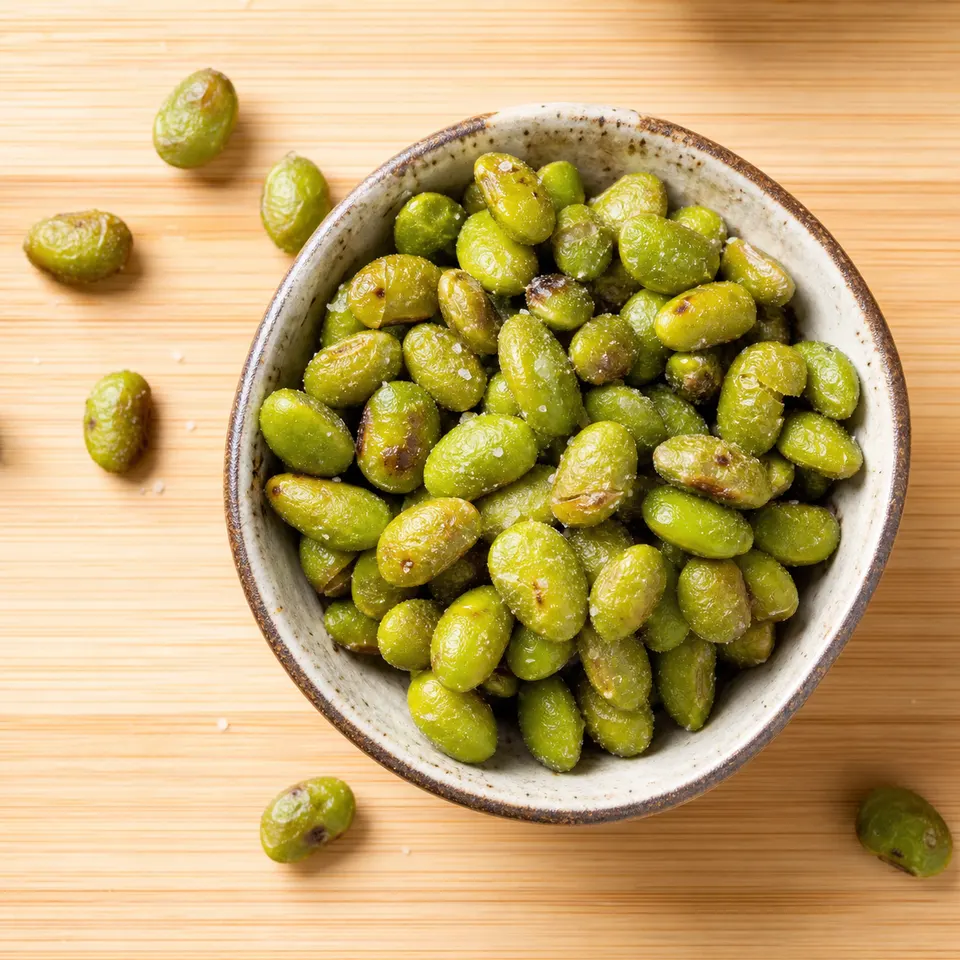
Roasted edamame
~120-140 calories | 12-14g protein | 10g carbs (5g fiber)
A 1/4 cup of dry roasted edamame (brands like Seapoint Farms). Crunchy, salty, and high-protein. One of the few salty snacks where the macro profile is genuinely useful for weight loss.
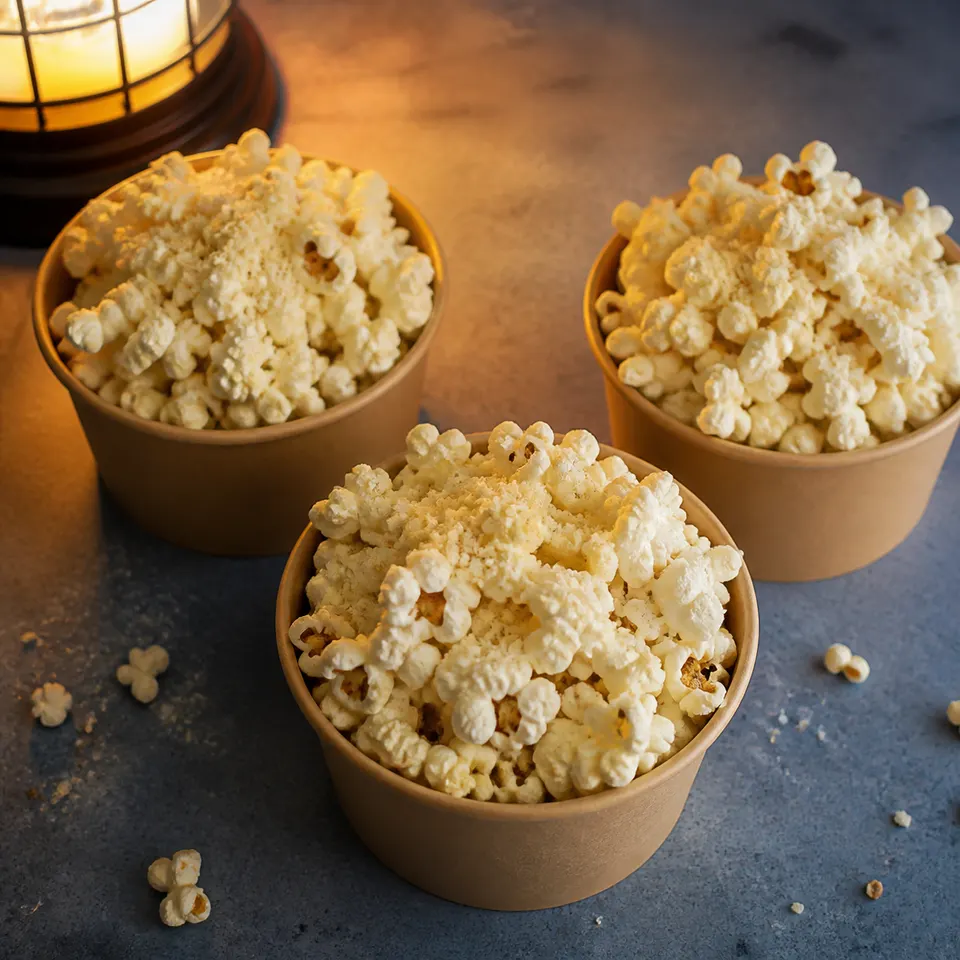
Air-popped popcorn with parmesan
~100-130 calories | 4-5g protein | 18g carbs (3g fiber)
3 cups of air-popped popcorn with a tablespoon of grated parmesan and salt. Substantial volume, moderate calories, decent fiber. Skip the microwave bags loaded with butter and oil, you can air-pop kernels in a paper bag in 2 minutes.
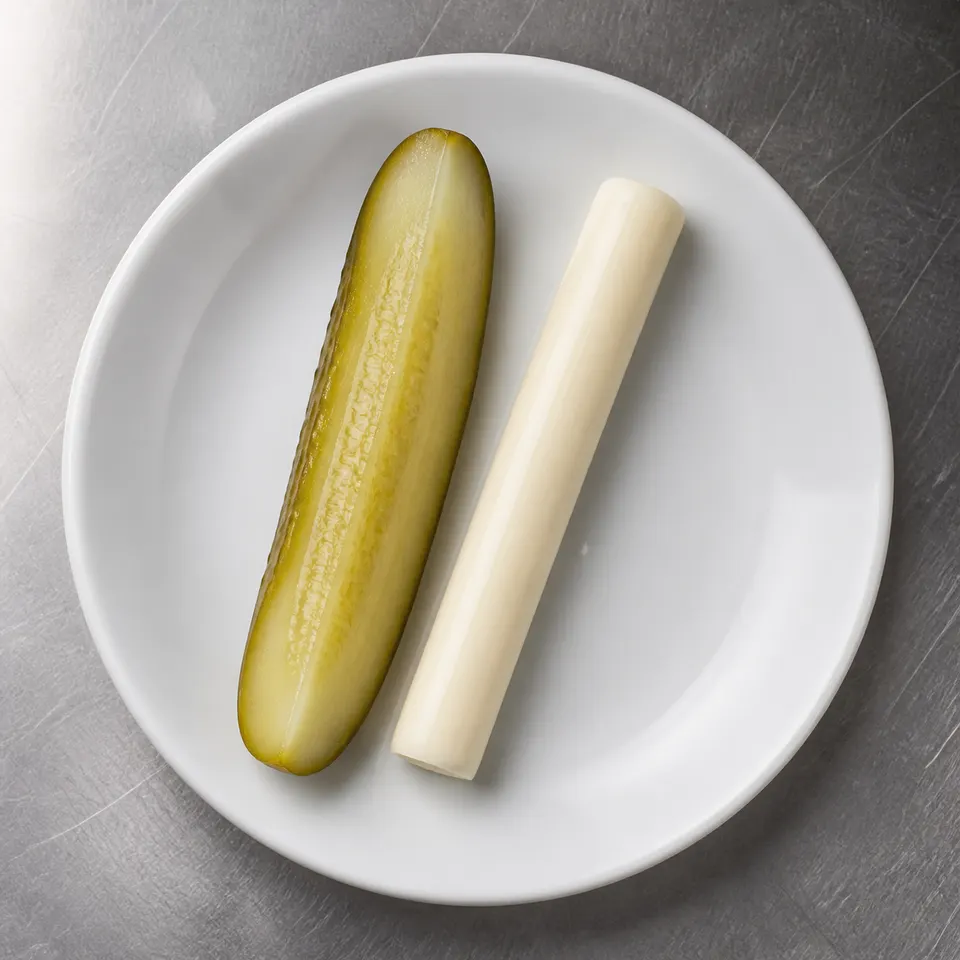
A pickle and a string cheese
~90 calories | 7g protein | 3g carbs
One large dill pickle and a string cheese. Sounds odd, works surprisingly well for salty cravings. Pickles are essentially zero-calorie volume; the cheese adds protein and fat.
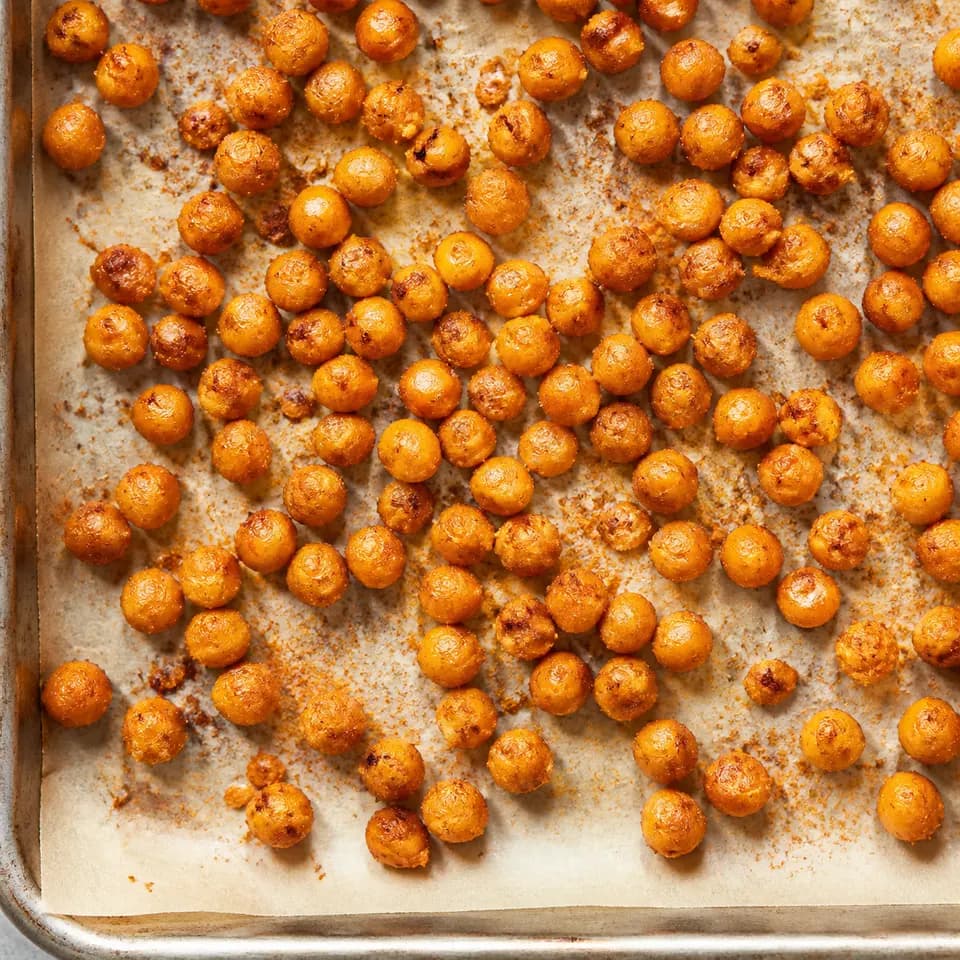
Roasted chickpeas
~120-150 calories | 6g protein | 18g carbs (5g fiber)
A 1/4 cup of roasted chickpeas (homemade or store-bought from brands like Biena). Crunchy, high-fiber, decent protein. Good chip substitute.
Use case 4: Pre-workout fuel
A different goal than the other categories. Here you're not trying to suppress hunger, you're trying to get usable energy into your system before training without sitting heavy in your stomach.
Best characteristics: moderate carbs for fuel, low fiber and fat to digest quickly, eaten 30-60 minutes pre-workout.
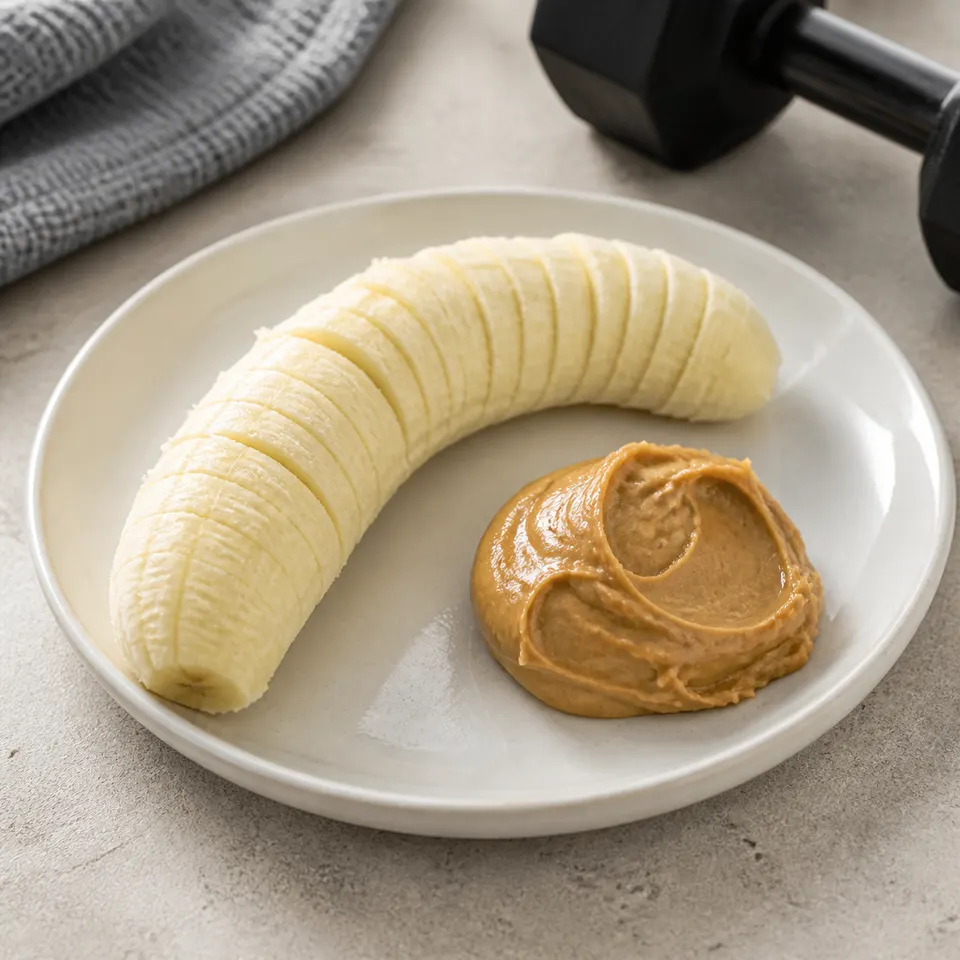
A banana and a tablespoon of peanut butter
~190 calories | 5g protein | 30g carbs
Classic pre-workout for a reason. Quick-digesting carbs from the banana fuel the workout; the small amount of fat and protein from the peanut butter slows the energy release just enough to last through a 60-minute session.
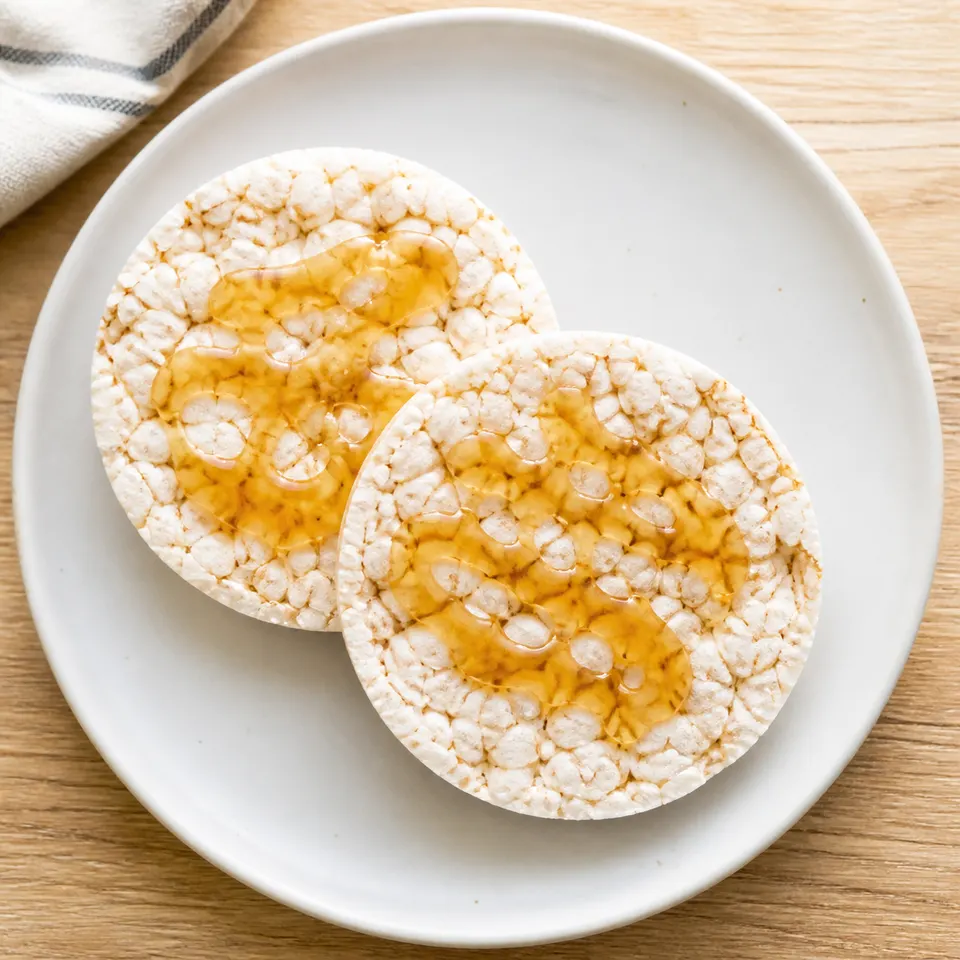
Rice cakes with honey
~140-160 calories | 2g protein | 30g carbs
Two plain rice cakes with a teaspoon of honey on each. Pure fast carbs, the simplest pre-workout fuel possible. Eat 20-30 minutes before training. Excellent for early-morning workouts when you don't want anything heavy.
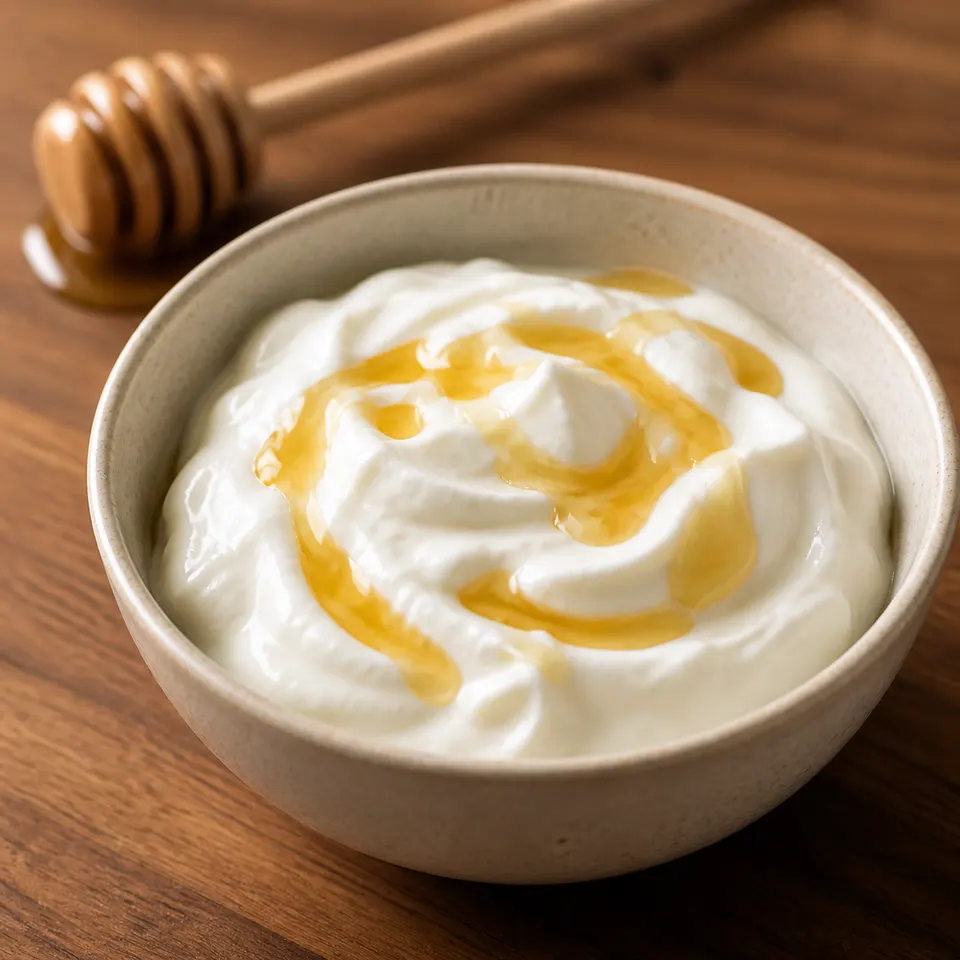
Greek yogurt with a small drizzle of honey
~150-180 calories | 18g protein | 18g carbs
When you want both protein and carbs pre-workout. Less ideal for very intense or long workouts (the protein can sit heavy), but good for lifting sessions or 45-minute cardio.
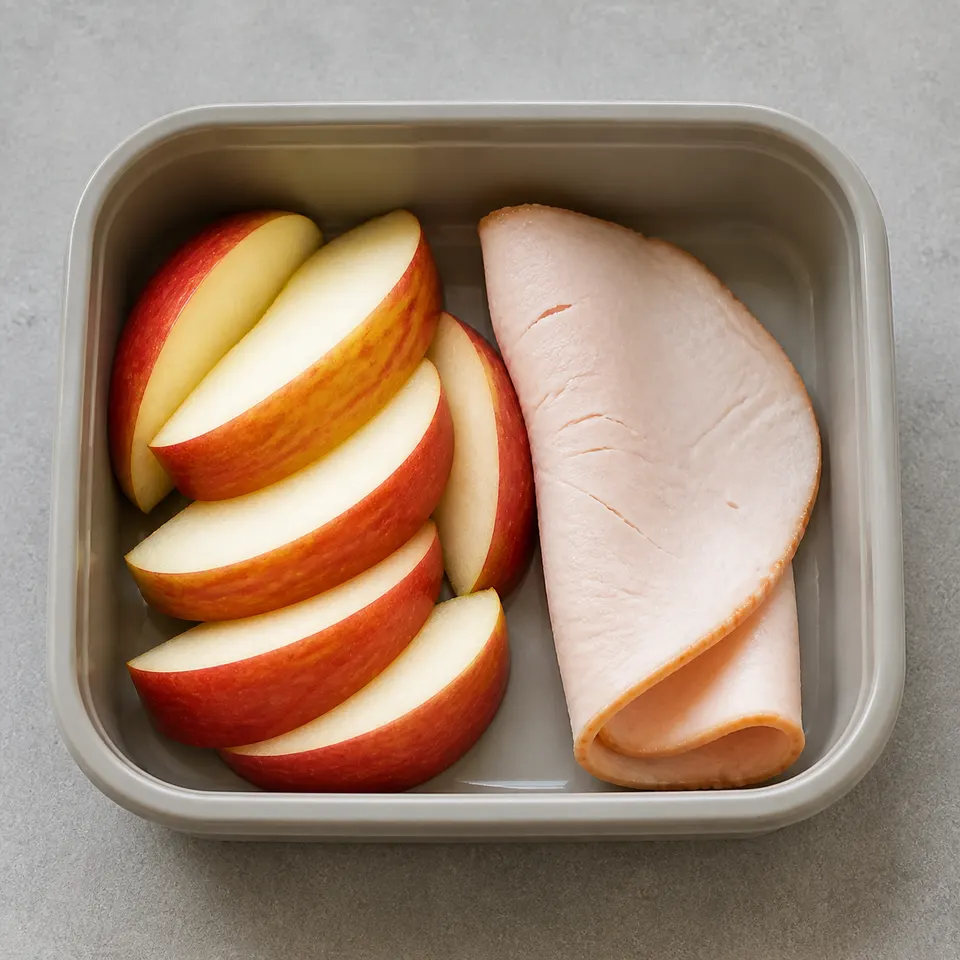
A medium apple and a slice of turkey
~140-160 calories | 8g protein | 25g carbs
Apple provides quick carbs; turkey adds enough protein to extend the energy release without causing digestive issues. Easy to grab on the way to the gym.
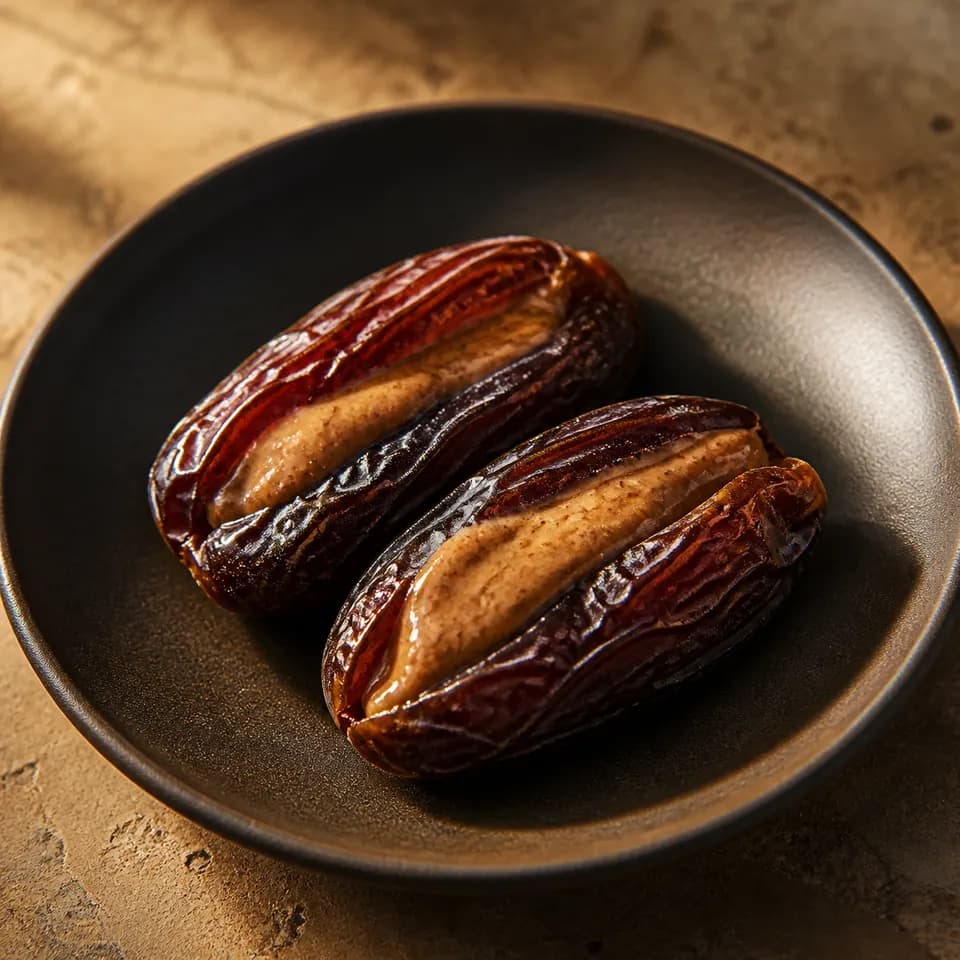
Dates with a bit of nut butter
~150-170 calories | 2g protein | 35g carbs
Two Medjool dates with a small smear of almond butter. High-glycemic carbs from the dates produce a fast energy bump for short, intense workouts (HIIT, sprint sessions, lifting). Endurance athletes often eat this kind of thing during long sessions, not just before.
Use case 5: Late-night snacking (proceed thoughtfully)
This is the snack category most worth being honest about. Late-night eating has the most consistent negative findings in the research literature, and the standard "healthy late-night snack" framing often overlooks these effects.
The honest research picture: A 2022 study in Cell Metabolism found that eating the same calories late versus earlier produced measurably worse outcomes, increased hunger the next day, decreased energy expenditure during waking hours (~60 fewer calories burned), changes in body fat regulation pathways, and shifts in adipose tissue gene expression toward fat storage6. A 2020 study from Johns Hopkins found that eating dinner at 10 PM versus 6 PM raised peak glucose by 18% and decreased overnight fat oxidation by 10%, even when calories and food composition were identical7.
The pattern is consistent across studies: calories eaten late at night are processed differently from the same calories eaten earlier. This doesn't mean late-night snacking will ruin your weight-loss progress, but it does mean the math isn't quite the same as daytime snacking.
The practical implication: if you're truly hungry late at night, eat. Skipping food when genuinely hungry usually produces worse outcomes (poor sleep, larger morning intake) than eating something modest. But if you're snacking late from boredom, stress, screen time, or the pull of "I deserve this after a hard day," consider whether a glass of water or going to bed 30 minutes earlier addresses the underlying need.
If you're going to snack late, here are the lowest-impact options:
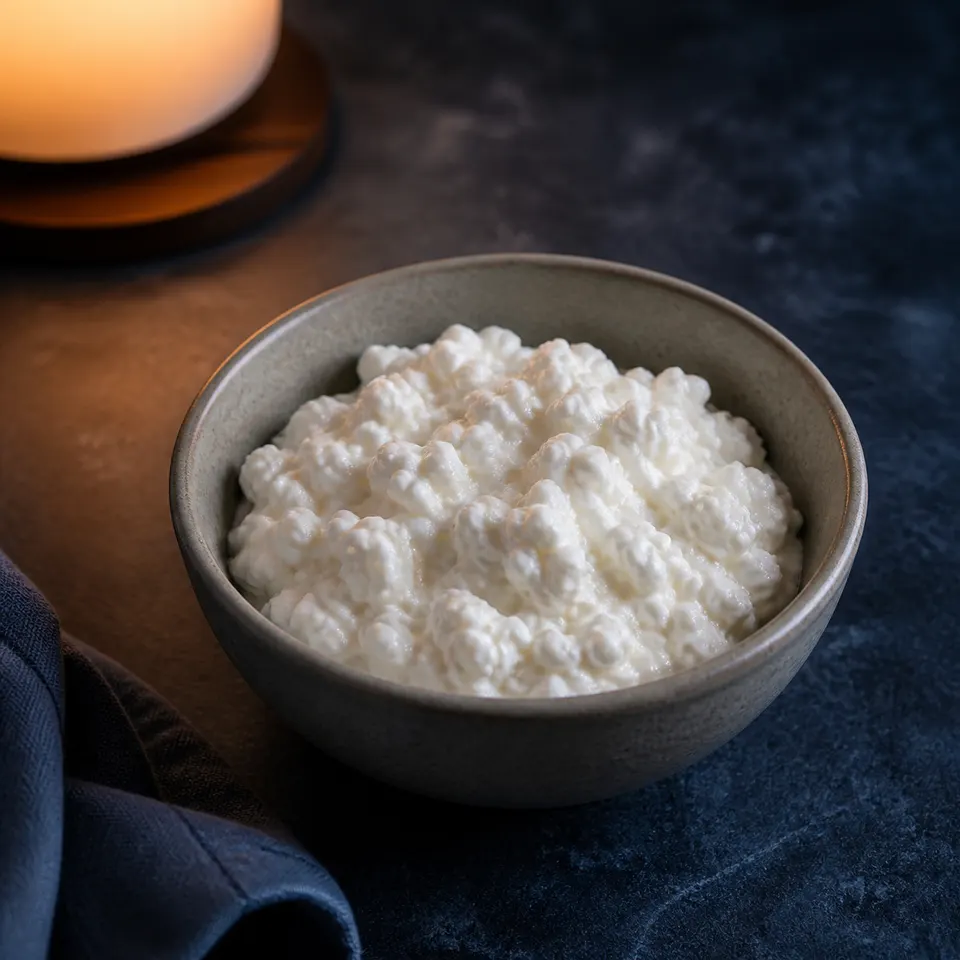
Cottage cheese (plain)
~80-110 calories per half cup | 11-14g protein
The classic bedtime protein. Slow-digesting casein protein delivers amino acids over 4-7 hours, which has been the bodybuilding-literature recommendation for evening protein since well before the timing research caught up.
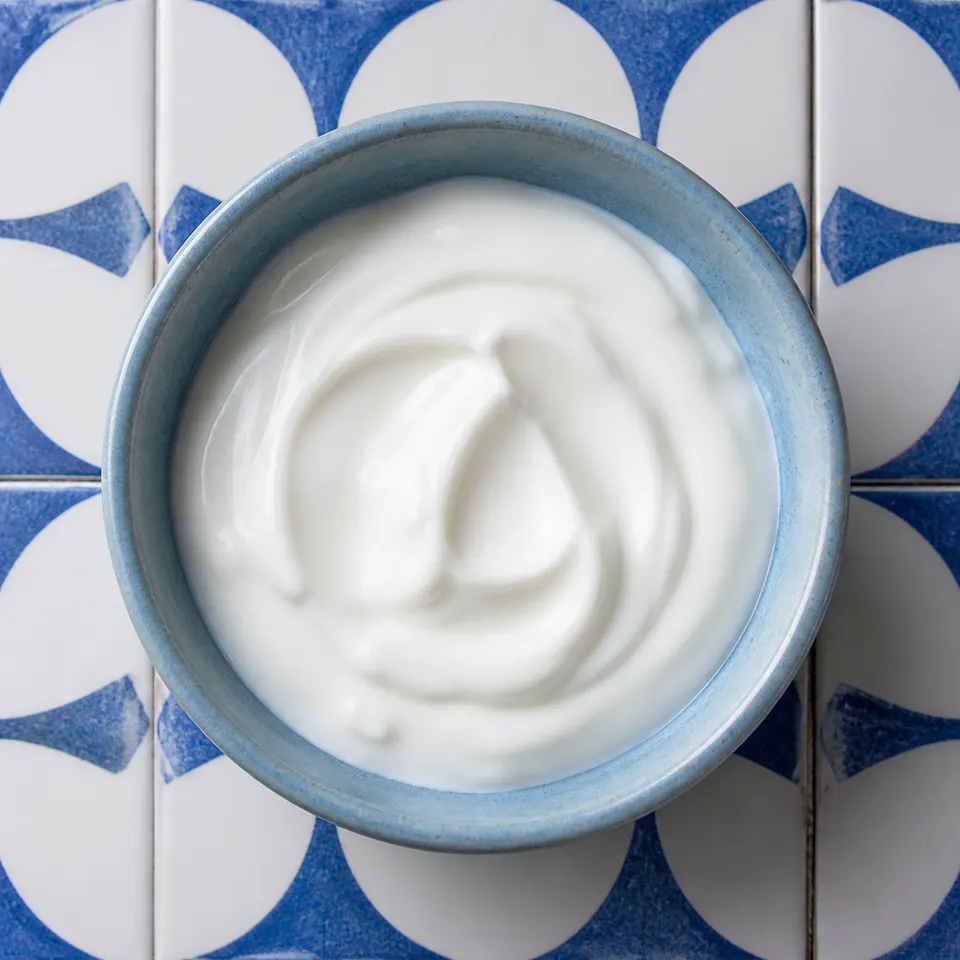
Plain nonfat Greek yogurt
~80-100 calories per 3/4 cup | 16-18g protein
Similar to cottage cheese but with less sodium. Plain only, flavored versions with added sugar undermine the metabolic benefits the research is pointing at.
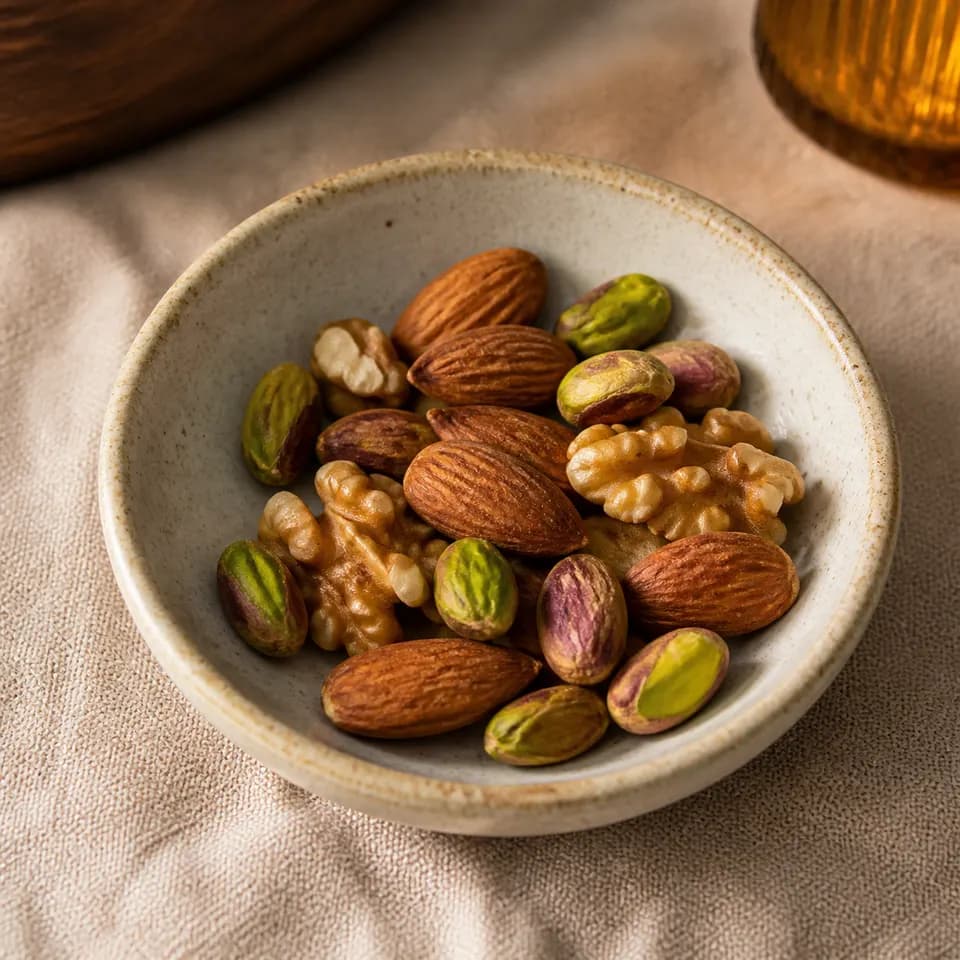
A small handful of nuts (10-15)
~100-130 calories | 3-4g protein
Almonds, walnuts, or pistachios. The fat content slows digestion, the small portion limits calorie damage. Pre-portion into a small container, eating from the bag is the canonical way nut snacking goes wrong.

A cup of chamomile tea with a small piece of dark chocolate
~50-80 calories | minimal protein
When the late-night urge is more about ritual and comfort than actual hunger. The warm beverage and small chocolate often resolves the craving without significant calorie damage.
Use case 6: Hitting a daily protein target
This is the snacking use case that's most clearly supported by the research. If your daily protein target is 130-150g and you're consistently coming up 30-40g short by the end of the day, a strategic protein-dense snack is one of the most useful interventions you can make.
Best characteristics: maximum protein per calorie, minimal additional fat or carbs.
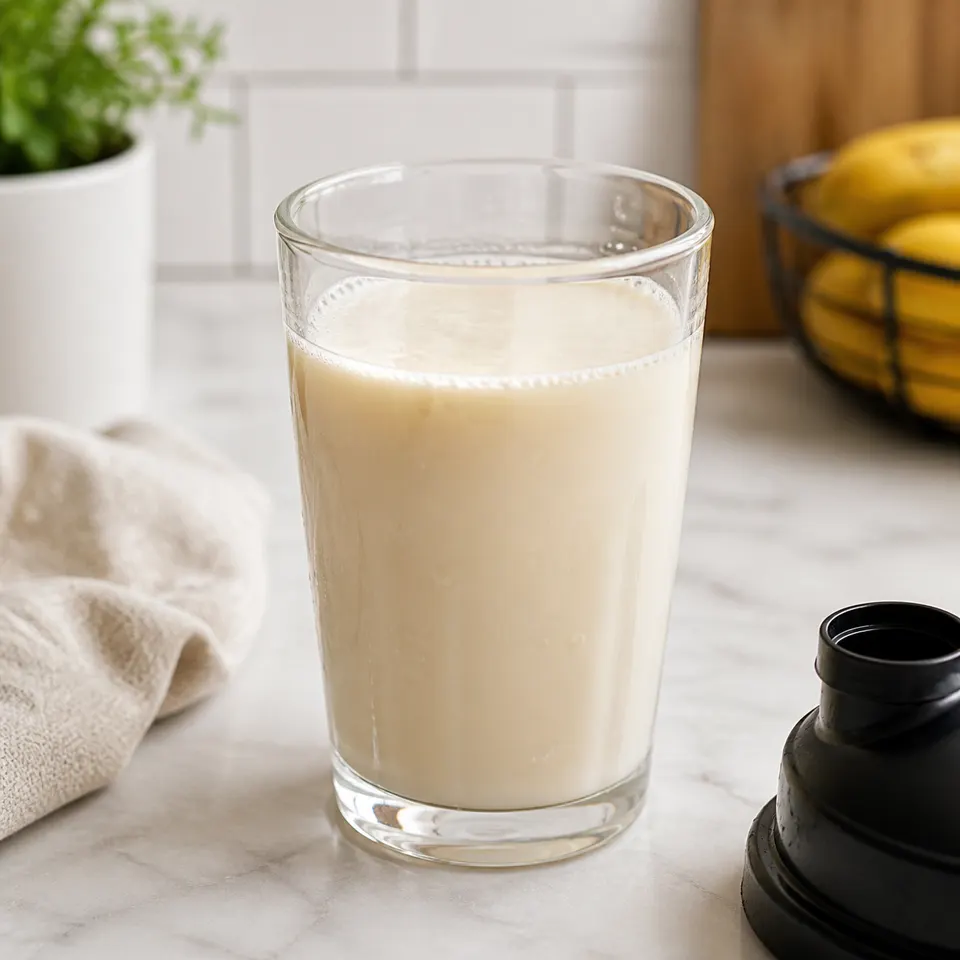
A scoop of whey protein in water
~120 calories | 24g protein | 2g carbs
The single highest-protein-per-calorie option available. Useful when whole-food meals haven't gotten you to your target.
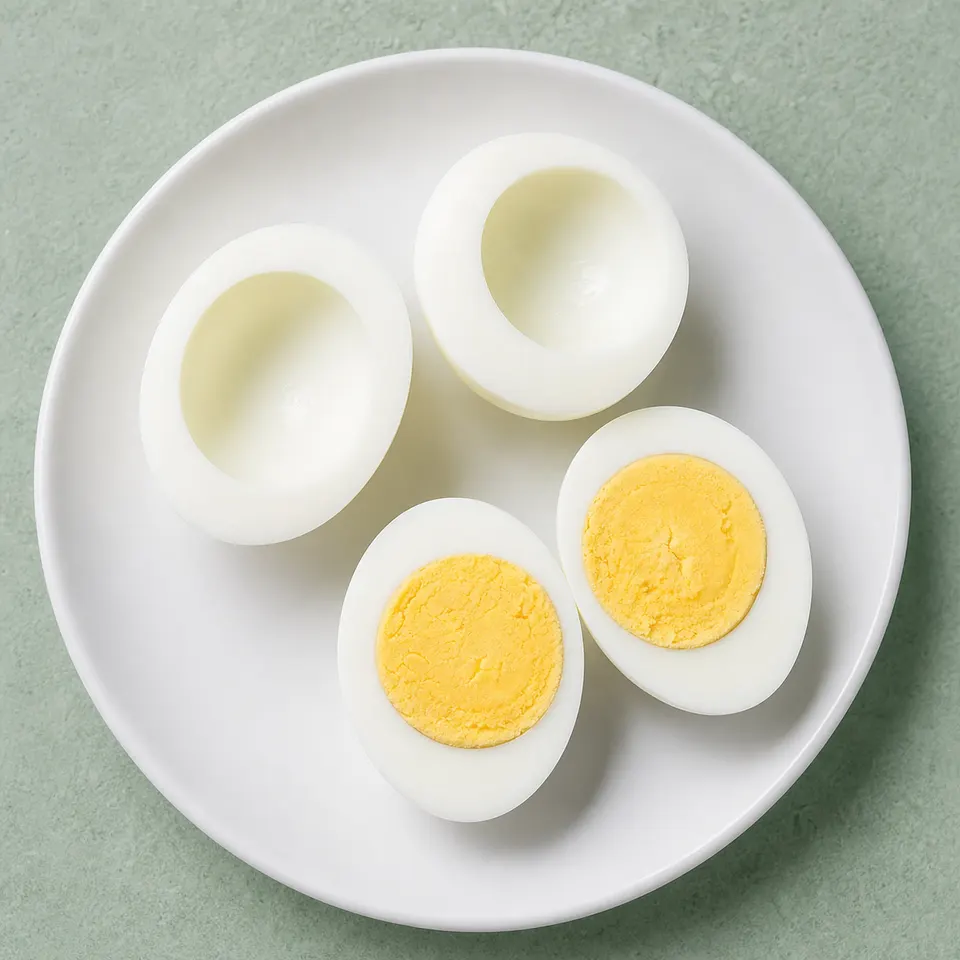
Two hard-boiled egg whites and a whole egg
~110 calories | 13g protein | minimal carbs
The whole-food version of "maximum protein per calorie." Two whites (~35 cal, 7g protein) plus one whole egg (~75 cal, 6g protein). Fast and shelf-stable for a week boiled.
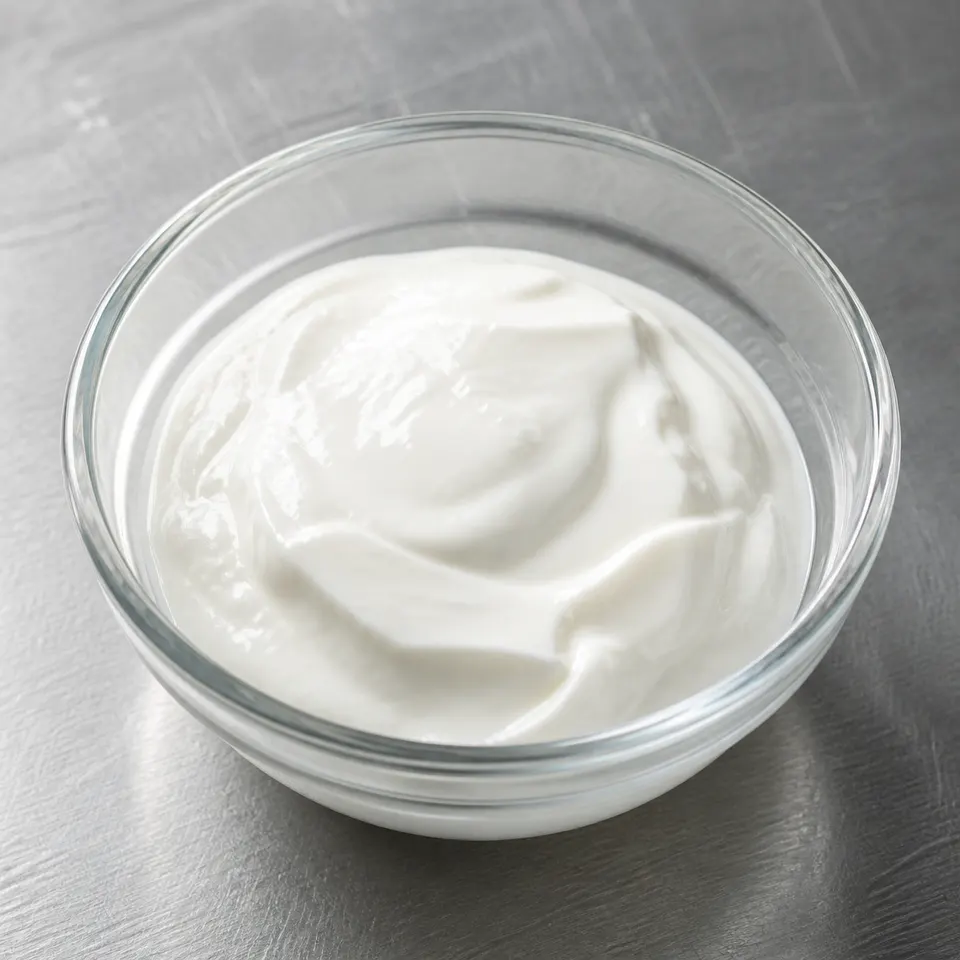
Plain nonfat Greek yogurt (3/4 cup)
~100 calories | 18g protein
The most accessible high-protein-density whole food in any grocery store. A weekly habit of "Greek yogurt as snack instead of granola bar" can add 15g+ of daily protein on its own.
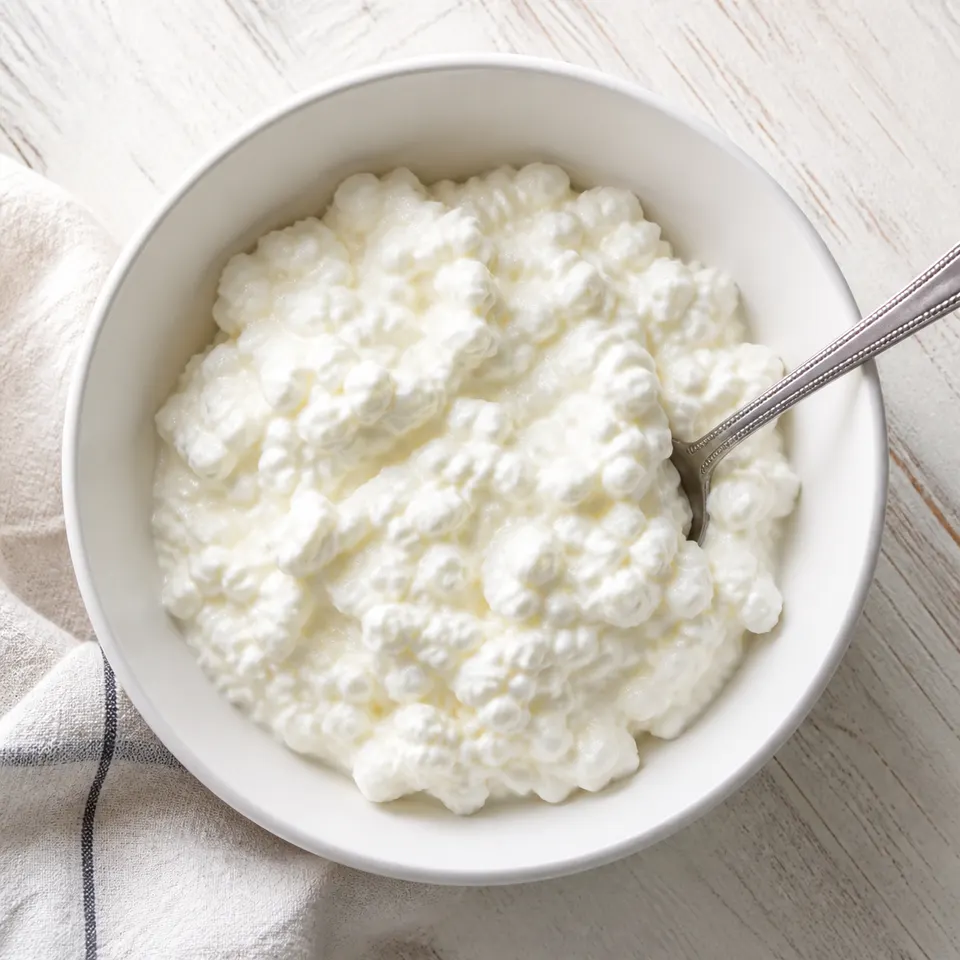
Low-fat cottage cheese (3/4 cup)
~150 calories | 18g protein
Slightly higher calorie than Greek yogurt but similar protein delivery. Higher in sodium, relevant if you're watching sodium intake.
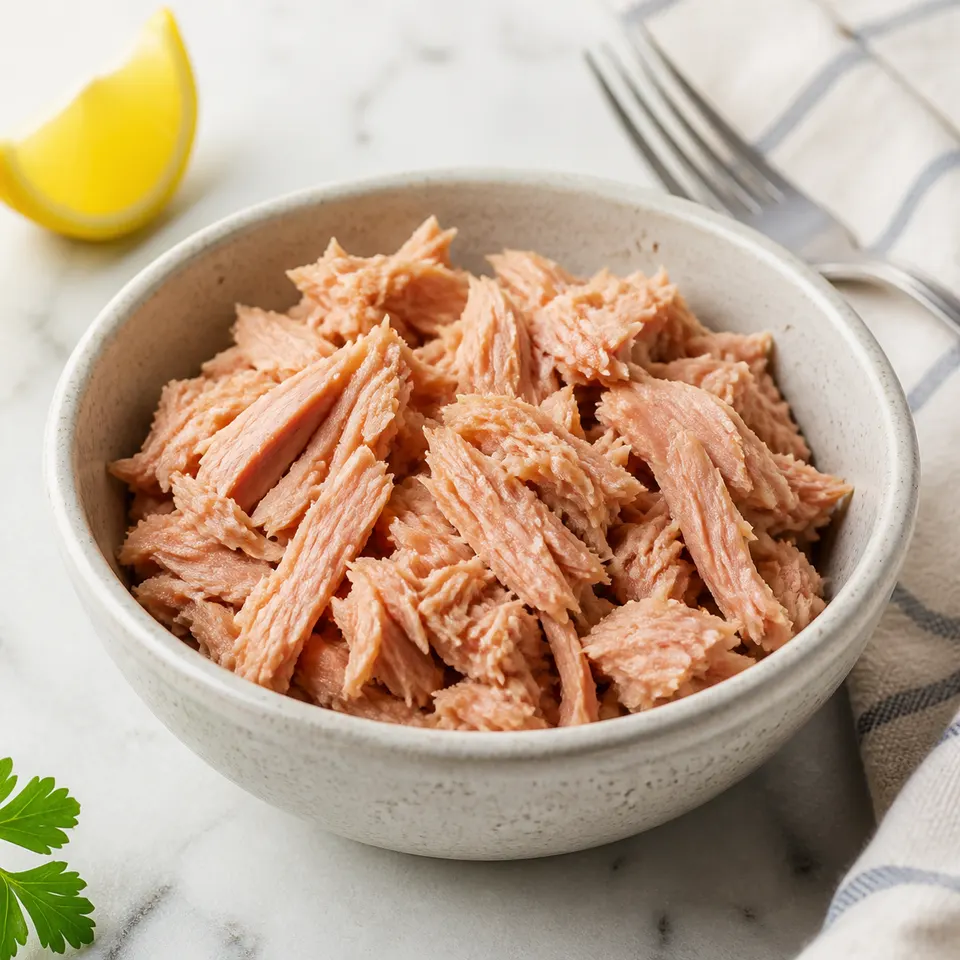
One can of light tuna (drained)
~70-100 calories | 17-22g protein
The most underrated high-protein-per-calorie option in any pantry. Eat plain with hot sauce, or mix with a teaspoon of olive oil and lemon juice. Pungent; best for home, not a desk.
For more on protein targets and the foods that hit them most efficiently, see our guide to high-protein foods for weight loss.
A note on what didn't make this list
Some snacks you'll see on most "healthy snacks under 200 calories" lists aren't here for specific reasons:
Granola bars and "protein bars." Most have more added sugar than chocolate bars and protein content lower than two eggs. Some are genuinely good (RXBars, Built Bars, Quest); most aren't worth the calorie spend.
Fruit alone. A medium apple is 95 calories and 1g of protein. Fine as a sweet treat, not really a strategic snack for weight loss. The protein-density angle is the entire point of why this list reads differently than competitors'.
100-calorie snack packs. These are a marketing format, not a useful food category. They're typically processed carbs (cookies, chips, pretzels) reduced to a small package. Same nutritional issues as the larger version, just with smaller portions. The premium you pay for the smaller packaging doesn't translate to better satiety.
Crackers with various toppings. Standard "5 crackers and 1 oz of cheese" combinations look reasonable on paper but are usually under-protein and under-fiber, leaving you hungry an hour later.
Smoothies with multiple ingredients. Anything that combines fruit + nut butter + yogurt + honey + chia seeds + protein powder ends up at 400-600 calories. They're meals, not snacks.
Frequently asked questions
Are snacks even necessary for weight loss?
Probably not, in a strict sense. The research on meal frequency and weight loss is mixed, and a 2024 JAMA Network Open meta-analysis found that lower meal frequency tends to produce slightly better weight-loss outcomes4. But for many people, planned, protein-dense snacks prevent the worse outcome of unplanned, calorie-dense overeating at the next meal. If you can comfortably go from breakfast to lunch to dinner without snacking, that's fine. If you can't, the snacks above are better than the alternatives most people default to.
What's the highest-protein snack under 200 calories?
By raw protein-per-calorie, a scoop of whey protein in water (~120 cal, 24g protein) and plain Greek yogurt with whey protein mixed in (~180 cal, 30+g protein). Among whole foods, cottage cheese, plain Greek yogurt, and tuna all deliver around 18-22g of protein for under 150 calories.
Are nuts good or bad for weight loss?
Nuts are calorie-dense (160-200 calories per ounce), which means they're easy to overeat. But the research on nut consumption is consistently positive for weight outcomes: people who include nuts in their diets tend to weigh less than those who don't, despite the calories. The mechanism is satiety: nuts are extremely satisfying per gram, and they tend to displace other foods rather than just adding calories. The catch: portion control matters. A pre-portioned 15-almond serving (~100 cal) is a useful snack; eating from the bag while watching TV is how 800 calories of almonds happens.
Should I avoid carbs in snacks?
No. The "carbs make you fat" framing is wrong. Excess calories drive fat gain, and carbs are simply one of the macros excess calories can come from. For snacks specifically, low-glycemic, high-fiber carbs (fruit, whole grains, legumes) produce excellent satiety and are perfectly compatible with weight loss. Refined carbs (white-flour crackers, sugary granola bars) are the ones to limit, not carbs broadly.
Is fruit a good snack for weight loss?
Yes, with a caveat. Fruit is high-fiber, high-water, and naturally portion-limited (a banana is hard to overeat). The caveat: fruit alone provides minimal protein, so it's less ideal as a strategic high-protein snack. Pairing fruit with a protein source (apple + string cheese, berries + Greek yogurt, banana + protein shake) gets you the satiety benefits of both and is generally better than either alone for hunger management.
What's the best snack to eat before bed?
If you're going to eat before bed, plain cottage cheese (~80-110 cal per half cup, 11-14g protein) is the most-cited option in the bodybuilding and fitness literature for sustained overnight amino acid delivery. The slow-digesting casein protein supports muscle recovery during sleep without significantly disrupting metabolism. But the bigger question is whether you should be eating before bed at all. Research consistently shows late-night eating produces worse metabolic outcomes than the same calories eaten earlier in the day67.
Why am I always hungry between meals?
A few common causes: low protein at the previous meal (most adults front-load carbs and back-load protein, leaving breakfast and lunch under-protein); not enough fiber in your meals; high stress or poor sleep raising hunger hormones; and sometimes mistaking thirst for hunger. The fastest fix is usually adding 10-15g of protein to breakfast; that single change tends to reduce afternoon hunger meaningfully. If you're consistently ravenous between meals despite eating adequately, see our article on why you might not be losing weight in a calorie deficit.
How many snacks per day should I eat?
For most people, 0-2 snacks per day is the sustainable range. The exact number depends on your meal sizes, schedule, and hunger patterns. There is no universal answer. The research suggests that adding snacks to existing meals tends to add net calories rather than displace them, while replacing part of a meal with a snack tends to be neutral. If your snacks are pushing you over your daily calorie target consistently, you're snacking too much; if you're white-knuckling between meals because of hunger, you might benefit from one or two strategic snacks.
Are 100-calorie packs actually healthy?
Mostly no. They're marketing more than nutrition: typically processed carbs (cookies, chips, pretzels) sold in smaller packaging at a premium price. The smaller portion does help with portion control, but the underlying food still has the same poor satiety profile. A 100-calorie pack of cookies and a 100-calorie portion of Greek yogurt are very different things, even though the calorie counts match.
Where Mindful can help
The most useful thing tracking can do for snacking is help you see whether your snacks are actually serving a job. Are they helping you hit your daily protein target, bridging genuine hunger, or quietly adding 200-400 calories that do not change your next meal?
Mindful can help with that because snacks, calories, and macros sit in the same daily view as your meals. That makes it easier to see whether the cottage cheese at 3pm is helping you hit your protein target, or whether the extra snacks are sitting on top of meals that were already enough.
References
Footnotes
-
U.S. Department of Agriculture, Agricultural Research Service. FoodData Central. Accessed May 2026. USDA FoodData Central ↩
-
Schoenfeld BJ, Aragon AA, Krieger JW. "Effects of meal frequency on weight loss and body composition: a meta-analysis." Nutrition Reviews 73(2):69-82. February 2015. DOI ↩
-
Schwingshackl L, Nitschke K, Zahringer J, et al. "Impact of Meal Frequency on Anthropometric Outcomes: A Systematic Review and Network Meta-Analysis of Randomized Controlled Trials." Advances in Nutrition 11(5):1108-1122. September 2020. DOI ↩
-
Liu HY, Eso AA, Cook N, O'Neill HM, Albarqouni L. "Meal Timing and Anthropometric and Metabolic Outcomes: A Systematic Review and Meta-Analysis." JAMA Network Open 7(11):e2442163. November 2024. DOI ↩ ↩2
-
Ortinau LC, Hoertel HA, Douglas SM, Leidy HJ. "Effects of high-protein vs. high-fat snacks on appetite control, satiety, and eating initiation in healthy women." Nutrition Journal 13:97. October 2014. DOI ↩
-
Vujovic N, Piron MJ, Qian J, Chellappa SL, Nedeltcheva A, Barr D, Heng SW, Kerlin K, Srivastav H, Wang W, Shoji B, Garaulet M, Brady MJ, Scheer FAJL. "Late isocaloric eating increases hunger, decreases energy expenditure, and modifies metabolic pathways in adults with overweight and obesity." Cell Metabolism 34(10):1486-1498.e7. October 2022. DOI ↩ ↩2
-
Gu C, Brereton N, Schweitzer A, et al. "Metabolic Effects of Late Dinner in Healthy Volunteers: A Randomized Crossover Clinical Trial." Journal of Clinical Endocrinology & Metabolism 105(8):2789-2802. August 2020. DOI ↩ ↩2